 By Saksham Arora
 Joshi Wadewale is one of Maharashtra’s most loved wada pav brands. What started as a small family-run outlet in Pune gradually grew into a recognizable name known for authentic taste, consistency, and affordability. Joshi Wadewale built its reputation on a simple promise—freshly made wada pav using a traditional Maharashtrian recipe, served fast and hygienically.
Because of its strong local following and growing expansion across cities in Maharashtra and nearby states, many small and mid-level entrepreneurs look at Joshi Wadewale as an attractive franchise opportunity. This article explains the franchise model, investment cost, space requirements, profit potential, risks, and whether this business is right for you.
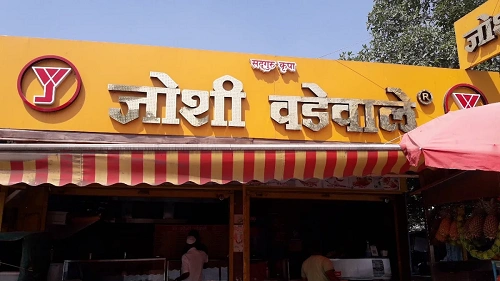
About the Joshi Wadewale Brand
Joshi Wadewale focuses on quick-service vegetarian food, with wada pav as the hero product. Over time, the menu has expanded to include misal pav, bhaji pav, sabudana wada, and beverages, but the core identity remains rooted in street-style Maharashtrian taste delivered in a clean, organized format.
The brand’s biggest strength is local trust. Customers associate Joshi Wadewale with reliable taste, reasonable pricing, and quick service. This makes it a volume-driven business rather than a premium dining concept.
Is Joshi Wadewale a Franchise Model?
Yes, Joshi Wadewale operates on a franchise-based QSR model.
Under this system:
- The brand provides recipes, training, and branding
- The franchisee invests in the outlet and manages daily operations
- Products are prepared using standardized methods to maintain taste consistency
This model allows faster expansion while keeping control over food quality and brand image.
Joshi Wadewale Franchise Cost in India
The investment is relatively moderate compared to large restaurant chains, making it suitable for first-time food entrepreneurs as well.
Estimated total investment: ₹15 lakh to ₹30 lakh
The final cost depends on outlet size, city, rental cost, and format (takeaway-only or takeaway + limited seating).
Detailed Cost Breakdown
1. Franchise Fee
This is a one-time fee paid to use the brand name and operating system.
- ₹3 lakh to ₹6 lakh
This generally includes initial training and brand onboarding support.
2. Outlet Setup & Interiors
Includes branding, counters, tiles, electrical work, and basic seating (if applicable).
- ₹5 lakh to ₹10 lakh
Simple layouts are preferred to keep costs controlled.
3. Kitchen Equipment & Machinery
Includes fryers, burners, exhaust systems, refrigerators, prep tables, and storage units.
- ₹3 lakh to ₹6 lakh
Since the menu is focused, equipment costs are manageable.
4. Initial Raw Material & Inventory
Includes potatoes, pav supply arrangements, oil, spices, packaging material, and disposables.
- ₹1 lakh to ₹2 lakh
5. Licenses & Pre-Opening Expenses
FSSAI license, GST registration, local shop act license, electricity deposit, and launch marketing.
- ₹1 lakh to ₹2 lakh
6. Working Capital
Cash required for staff salaries, rent, utilities, and daily expenses during the first few months.
- ₹2 lakh to ₹4 lakh
Space and Location Requirement
Joshi Wadewale outlets work best in high-footfall local areas.
Typical requirements:
- Area: 200 to 500 sq ft
- Frontage: Road-facing with good visibility
- Format: Takeaway-focused or limited seating
Ideal locations include:
- Busy residential areas
- College zones
- Office clusters
- Markets and main roads
Footfall matters more than premium real estate.
Royalty and Ongoing Charges
- Royalty fee: Usually 4% to 6% of monthly sales
- Some locations may also have a small brand marketing contribution
These charges support brand maintenance, quality checks, and operational guidance.
Profit Margin and Earnings Potential
Joshi Wadewale is a high-volume, low-ticket-size business.
Typical performance indicators:
- Gross margin: 55% to 60%
- Net profit margin: 18% to 25% after expenses
A well-located outlet can achieve:
- Monthly sales: ₹6 lakh to ₹15 lakh
- Monthly net profit: ₹1 lakh to ₹3 lakh
Festive days, weekends, and evening hours usually generate the highest sales.
Support Provided by Joshi Wadewale
Franchise partners generally receive:
- Standardized recipes and preparation methods
- Staff training before launch
- Branding and store layout guidance
- Vendor and raw material sourcing support
- Periodic quality audits
Daily operations and local marketing remain the franchisee’s responsibility.
Who Should Invest in a Joshi Wadewale Franchise?
This franchise is suitable for:
- First-time food business owners
- Small entrepreneurs with ₹15–30 lakh capital
- People interested in hands-on operations
- Investors targeting local, repeat customers
It is not suitable for purely passive investors.
Risks and Challenges
- Dependence on daily footfall
- Staff availability and turnover
- Maintaining taste consistency
- Competition from local wada pav vendors
- Limited menu diversity
However, strong branding helps attract regular customers despite competition.
How to Apply for Joshi Wadewale Franchise
- Shortlist a suitable location
- Prepare basic investment and space details
- Contact the brand for franchise inquiry
- Location and feasibility review
- Commercial discussion and agreement
- Outlet setup and staff training
- Store launch
Approvals depend on location quality and expansion plans.
Conclusion
Joshi Wadewale offers a practical and affordable entry into the organized street-food business. With an investment range of ₹15 lakh to ₹30 lakh, it provides a strong local brand, simple operations, and good profit potential when run actively. While it may not scale nationally like big QSR chains, it performs well in cities where Maharashtrian food has loyal demand.