 By Saksham Arora
 Kanti Sweets is one of South India’s most respected and trusted sweets brands, with a strong base in Karnataka, especially Bengaluru. Founded in 1957, Kanti Sweets started as a small traditional sweet shop and gradually evolved into a large organized chain known for purity, consistent taste, and hygienic preparation. Over the decades, the brand has built deep emotional trust among customers, particularly for South Indian sweets, savories, and festival specials.
Because of this strong brand recall and steady footfall, many entrepreneurs search for information about Kanti Sweets franchise cost. This article explains the franchise model, total investment, cost structure, space requirements, profit potential, and who should consider investing in a Kanti Sweets outlet.
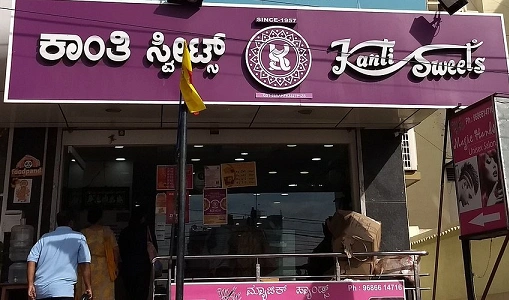
About the Kanti Sweets Brand
Kanti Sweets is known for blending traditional recipes with modern production and retail practices. The brand focuses on milk-based sweets, dry sweets, namkeen, and seasonal products. Unlike roadside sweet shops, Kanti Sweets positions itself as a clean, reliable, family-friendly brand where customers feel confident about quality and hygiene.
Most Kanti Sweets outlets operate as retail-focused stores with takeaway counters. Some larger outlets also include limited seating or snack sections, but the core business remains sweets and packaged savories.
Is Kanti Sweets a Franchise Model?
Yes, Kanti Sweets follows a franchise-based retail model, but expansion is controlled and selective.
Under this system:
- The brand provides products, branding, and operational guidance
- The franchisee invests in the outlet and manages daily operations
- Centralized production ensures taste consistency across locations
Kanti Sweets prefers franchise partners who can maintain brand discipline and customer trust rather than rapid, uncontrolled expansion.
Kanti Sweets Franchise Investment Cost in India
The investment depends on city, store size, and rental cost. Compared to large restaurant chains, the investment is moderate but still significant due to premium positioning.
Estimated total investment:
₹30 lakh to ₹60 lakh
Prime city locations or larger-format stores may require slightly higher investment.
Detailed Cost Breakdown
1. Franchise Fee
This is a one-time fee paid for brand usage, systems, and onboarding.
- ₹5 lakh to ₹10 lakh
2. Store Interiors & Branding
Includes counters, display units, lighting, flooring, signage, and basic seating if applicable.
- ₹10 lakh to ₹18 lakh
Clean presentation is critical for sweets retail, so interiors are an important cost component.
3. Equipment & Storage
Includes refrigeration units, sweet display counters, cold storage, weighing machines, and backend storage.
- ₹6 lakh to ₹12 lakh
4. Initial Stock & Inventory
Includes sweets, savories, packaging material, and festival stock buffers.
- ₹4 lakh to ₹8 lakh
5. Licenses & Pre-Opening Expenses
FSSAI license, GST registration, shop act license, electricity deposit, and opening promotions.
- ₹2 lakh to ₹3 lakh
6. Working Capital
Funds required for salaries, rent, utilities, and daily operations during initial months.
- ₹3 lakh to ₹6 lakh
Space and Location Requirement
Kanti Sweets outlets perform best in high-visibility, premium residential or commercial areas.
Typical requirements:
- Area: 500 to 1,200 sq ft
- Frontage: Wide, road-facing storefront
- Format: Takeaway-focused retail outlet
Ideal locations include:
- Dense residential neighborhoods
- Main city roads
- Shopping streets
- Near temples, offices, or markets
Footfall quality is more important than sheer crowd volume.
Royalty and Ongoing Charges
- Royalty fee: Generally 5% to 7% of monthly sales
- Some outlets may contribute to centralized marketing or branding initiatives
Royalty supports centralized production standards, audits, and brand management.
Profit Margin and Earnings Potential
Kanti Sweets operates on steady daily sales with seasonal spikes.
Typical performance:
- Gross margin: 35% to 45%
- Net profit margin: 12% to 18% after expenses
A well-located outlet can generate:
- Monthly revenue: ₹12 lakh to ₹30 lakh
- Monthly net profit: ₹1.5 lakh to ₹4.5 lakh
Festive seasons like Diwali, Ugadi, Sankranti, and wedding months significantly boost sales.
Support Provided by Kanti Sweets
Franchise partners usually receive:
- Centralized product supply and recipes
- Staff training and operational guidance
- Store layout and branding support
- Quality audits and hygiene checks
- Festival planning and product launches
This centralized control ensures consistency and protects brand reputation.
Who Should Invest in a Kanti Sweets Franchise?
This opportunity suits:
- Entrepreneurs with ₹30–60 lakh capital
- Retail business owners
- Investors seeking stable, repeat-customer businesses
- Operators willing to manage staff and inventory actively
It is not ideal for passive investors or those looking for rapid national expansion.
Risks and Challenges
- High dependence on location quality
- Inventory spoilage risk if demand drops
- Higher competition during festival seasons
- Rental pressure in premium areas
- Staff handling and customer service consistency
Strong brand trust helps reduce, but not eliminate, these risks.
How to Apply for a Kanti Sweets Franchise
- Shortlist a suitable retail location
- Prepare investment and space details
- Submit franchise inquiry to the brand
- Location feasibility and brand evaluation
- Commercial discussion and agreement
- Store setup and staff training
- Outlet launch
Approvals depend on city strategy and location viability.
Conclusion
Kanti Sweets is a well-established and emotionally trusted brand in South India’s sweets market. With an investment range of ₹30 lakh to ₹60 lakh, it offers stable demand, strong festive sales, and a loyal customer base. While it requires disciplined operations and careful location selection, the business provides reliable long-term returns rather than short-term gains.