 By Saksham Arora
 Lassi shops — outlets selling lassi (traditional Indian yogurt-based drink), milkshakes, fresh juices, snacks and light eats — have grown popular across India because of rising demand for quick, affordable refreshments. As people increasingly look for clean, hygienic places for drinks and snacks, opening a lassi shop (independent or under a small brand) is becoming an attractive business option. This article outlines what you might expect as investment and setup costs for a lassi shop in India, the structure, earning potential, and whether such a venture could work for you.
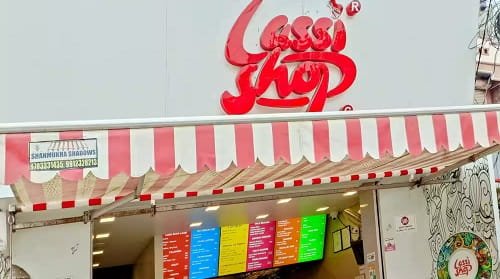
About the Lassi Shop Concept
A lassi shop typically serves fresh fruit lassis, sweet or salted lassis, flavored milkshakes, fresh juices, snacks like pakoras, samosas, burgers or light meals and sometimes quick-serve traditional meals. The appeal lies in low cost to customers, quick service, refreshment demand (especially in warm climates), and repeat customers — students, office-goers, daily commuters and families. A well-located lassi shop with clean hygiene and good taste can attract steady footfall and loyal customers.
Is a Lassi Shop a Franchise or Independent Shop Model?
Many lassi shops operate as independent businesses. Some small or regional brands may offer franchise-like or partnership models. If you start your own lassi shop (own-brand or generic), you operate independently; if you opt for a local/regional brand that offers partnership, it works like a small-scale franchise. The costs and operations depend on your chosen model.
Total Lassi Shop Setup Cost in India
Investment depends on shop size, location, and services offered (simple drinks only vs drinks + snacks + light meals). On average:
- Small Takeaway / Counter Style (no seating, minimal setup): ₹8–15 lakh
- Standard Lassi Café / Shop (basic seating + drink menu + snacks): ₹15–25 lakh
- Larger Café / Quick-Service Outlet (seating, more menu variety, small kitchen): ₹25–40 lakh
Most small to medium shops fall in the ₹10–25 lakh investment range depending on size and location.
Lassi Shop Setup Cost Breakdown
Key cost components include:
- Initial Licence, Registration & Permits: ₹30,000–₹70,000
- Interiors & Counter Setup: ₹3–6 lakh (for small counter)
- Seating & Décor (for café-style shop, with a few tables/chairs): ₹2–5 lakh
- Drink Equipment & Storage (blenders, refrigerators, cold-storage, dispenser machines): ₹2–4 lakh
- Cooking/Preparation Setup (for snacks or small meals): ₹1–3 lakh
- Raw Materials & Initial Stock (milk, fruits, ingredients, packaging): ₹50,000–₹1.5 lakh
- Staff Hiring & Training: ₹50,000–₹1 lakh (if staff needed)
- Branding & Signage: ₹50,000–₹1 lakh
- Working Capital Reserve: ₹1–2 lakh (for initial months)
- Rental Deposit / Advance: Depends on city and locality
For a standard takeaway or small café-style shop, total setup often stays within ₹15–25 lakh. Larger or more feature-rich outlets may cross ₹30–40 lakh.
Space & Location Requirement
- Small Counter/Takeaway: 120–200 sq ft
- Standard Café/Shop: 200–400 sq ft
- Larger Quick-Service Shop: 400–600 sq ft or more
Best locations include areas with high footfall, such as near colleges, offices, markets, busy streets, transport hubs, residential clusters or near shopping zones. Easy access, visibility and convenience play a big role, since many customers look for quick drinks or snacks on the go.
Lassi Shop Profit Margin & ROI Potential
A well-run lassi shop can yield reasonable returns, depending on location, pricing, and demand. Typical estimates:
- Daily Sales (small shop): 50–150 lassis/juices → Monthly Revenue ~ ₹75,000–₹2 lakh
- For a medium shop with higher footfall and snacks: Monthly Revenue ~ ₹2–5 lakh or more
- Profit Margin: 20%–35% depending on cost control, raw material pricing and overheads
- Net Monthly Profit (after expenses): ₹30,000–₹80,000+ depending on volume and business model
A small-to-medium shop may recover initial investment within 12–24 months under steady demand; larger setups may take 18–30 months or more.
Ongoing Costs & Operational Expenses
Running a lassi shop involves recurring costs such as:
- Raw materials: milk, fruits, ingredients, packaging supplies
- Utilities: electricity, water, refrigeration
- Staff salaries (if any)
- Rent and maintenance
- Hygiene and sanitation supplies
- Periodic stocking and waste management
Since profit margins are moderate, efficient cost control and consistent sales volume are crucial for sustainability.
What Makes a Lassi Shop Work / Who Should Invest
A lassi shop works best for:
- Entrepreneurs with small or medium capital (₹10–25 lakh)
- People located in warm-clime cities or climates where demand for cool drinks is high
- Operators near colleges, offices, markets, residential zones, transport hubs or busy streets
- Those willing to manage daily operations — supply, hygiene, customer service, stock rotation
- Investors wanting a manageable business with moderate startup cost — not requiring heavy kitchen infrastructure
It may not suit those expecting high profits or very passive income; success depends on active involvement and consistent quality.
Risks & Challenges
- Demand may drop in colder seasons or off-peak times
- Dependence on fresh milk, fruits and stock — spoilage risk if not managed properly
- Competition from local juice shops, cafés and street vendors
- Hygiene and quality control need to be strict to maintain customer trust
- Opportunity cost is high if footfall remains low — may struggle in poor locations
Good location, consistent product quality and smart cost control help overcome these challenges.
How to Launch / Start a Lassi Shop
- Choose a suitable location based on footfall, accessibility, demand and rent
- Finalize shop format: takeaway counter, small café or full quick-service shop
- Obtain required licenses and permissions (health, food safety, trade licences, municipal)
- Set up interiors: counter, seating (if any), storage, refrigeration, electrical and water supply
- Procure equipment: blenders, refrigerators, cold storage, dispensers, cooking/prep setup if offering snacks
- Source raw materials with good vendors ensuring freshness and hygiene
- Hire staff (if needed), train for hygiene, beverage preparation and customer service
- Launch business with branding, signage, local marketing to attract customers
- Monitor cost, sales, stock, waste, hygiene to ensure profitability and growth
Conclusion
A lassi shop offers a relatively low-cost, accessible entry into the food & beverages sector with moderate investment — typically ₹10–25 lakh for a small to medium setup. With the right location, good hygiene, consistent supply of fresh ingredients and clean presentation, it can become a stable and profitable business.
This model works especially well in dense urban areas, warm climates, and regions with high demand for quick refreshments. If you’re willing to manage it hands-on and focus on quality, a lassi shop can be a simple yet rewarding entrepreneurial venture in India.