 By Saksham Arora
 Meghana Foods, founded in 2008 in Hyderabad, India, is one of the country’s fastest-growing multi-cuisine casual dining brands. It gained widespread recognition for its signature biryanis, Andhra-style spicy dishes, kebabs, curries, and innovative modern Indian preparations. Over the years, Meghana Foods has expanded beyond Hyderabad to multiple Indian states, establishing itself as a known casual dining concept in urban and semi-urban markets. Because of its strong brand identity, consistent food quality, and loyal customer base, many aspiring entrepreneurs explore the Meghana Foods franchise opportunity. This article discusses the Meghana Foods franchise model, investment cost, cost breakdown, space requirements, profitability metrics, operational obligations, and how to own and operate a Meghana Foods outlet in India in 2026.
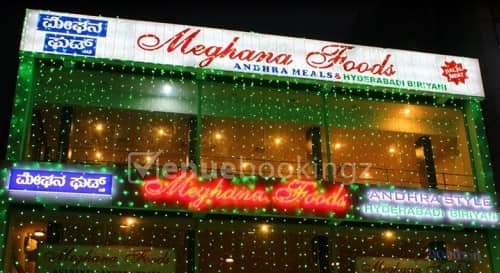
About the Meghana Foods Brand
Meghana Foods is recognised for its bold flavours, generous portions, and a menu that combines biryani varieties (especially Andhra biryani), regional curries, tandoor preparations, kebabs, vegetarian and non-vegetarian combos, and desserts. The restaurant niche situates itself between fast casual and family dining, appealing to young adults, families, office crowds, and food delivery customers alike. Franchise partners are expected to maintain the brand’s quality standards, service protocols, kitchen practices, and presentation aesthetics. Standardised recipes, operational manuals, and staff training modules support consistency across all outlets.
Is Meghana Foods a Franchise or Partnership Model in India?
Meghana Foods operates through an organised franchise model that allows entrepreneurs to open and manage branded outlets under the Meghana Foods name. Franchisees own and operate the outlets while the brand provides support in site selection, kitchen setup, training, menu planning, and ongoing operational guidance.
Common franchise formats include:
- Standalone Restaurant Format – Dine-in and takeaway focus
- Food Court Format – Compact outlet within a mall or retail complex
- Express / Quick Serve Format – Smaller footprint with core menu offerings
Franchise partners run the restaurants, manage staff, and implement local marketing while staying aligned with brand quality and service standards.
Total Meghana Foods Franchise Investment Cost in India
Investment requirements vary based on outlet format, city, and location. Typical investment ranges for 2025 are:
- Express / Food Court Format: ₹20 lakh – ₹35 lakh
- Standard Restaurant Format: ₹40 lakh – ₹70 lakh
- Large Standalone Restaurant: ₹70 lakh – ₹1.2 crore+
Most franchise partners fall within the ₹40 lakh – ₹70 lakh range for a standard dine-in restaurant format in a busy urban neighbourhood or commercial district.
Meghana Foods Franchise Cost Breakdown
A typical breakdown of the initial investment includes:
- Franchise / Brand Onboarding Fee: ₹5 lakh – ₹10 lakh (one-time)
- Store Interiors & Fit-Out: ₹15 lakh – ₹35 lakh
- Kitchen & Cooking Equipment: ₹10 lakh – ₹25 lakh
- Dining Furniture & Fixtures: ₹5 lakh – ₹15 lakh
- POS & Billing Systems: ₹1 lakh – ₹3 lakh
- Initial Inventory & Raw Materials: ₹3 lakh – ₹7 lakh
- Signage & Exterior Branding: ₹2 lakh – ₹5 lakh
- Staff Training & Onboarding: ₹2 lakh – ₹4 lakh
- Working Capital: ₹5 lakh – ₹10 lakh
- Rental Deposit: varies by city and landlord
Interiors, kitchen setup, dining infrastructure, and initial inventory account for the largest portion of upfront investment because a casual dining experience requires seating, ambience, and extensive kitchen operations.
Space & Location Requirements
Space requirements depend on the restaurant format:
- Express / Food Court Format: 200 – 350 sq ft
- Standard Restaurant Format: 800 – 1,500 sq ft
- Large Standalone Restaurant: 1,500 – 3,000+ sq ft
Ideal locations include busy commercial streets, shopping districts, near colleges, office clusters, residential hub markets, malls, and high-footfall neighbourhoods where dine-in and delivery demand is consistent.
Profit Margin & ROI for Meghana Foods Franchise
Restaurant profitability typically depends on location, cost control, menu pricing, and service quality. For Meghana Foods, expected financial performance metrics may include:
- Net Profit Margin: 15% – 28% depending on pricing and operating efficiencies
- Monthly Revenue Potential: ₹8 lakh – ₹25 lakh+ depending on location and sitting capacity
- ROI Timeline: 24 – 42 months once the outlet stabilises
Strong dinner and weekend brunch traffic, combined with robust online delivery orders, help improve topline growth and profitability.
Royalty & Ongoing Charges
Franchise partners generally manage:
- Royalty / Brand Fee: a monthly percentage of gross sales
- Rent and utilities
- Staff salaries and benefits
- Inventory replenishment and procurement
- Local marketing and promotions
- POS maintenance
Ongoing royalty supports continuous product innovation, brand campaigns, digital ordering integrations, and quality assurance efforts.
Support Provided by Meghana Foods
Franchise partners typically receive comprehensive support, including:
- Assistance in site selection and outlet feasibility analysis
- Standardised interior design templates and layout plans
- Kitchen setup and equipment recommendations
- Training on menu preparation, service protocols, hygiene and safety standards
- POS and billing system implementation
- Operational manuals and SOP documentation
- Launch marketing strategy and promotional guidance
- Periodic quality and performance reviews
This structured support helps franchisees launch and operate outlets efficiently with consistent customer experience.
Who Should Invest in a Meghana Foods Franchise?
The opportunity is suitable for:
- Entrepreneurs with ₹20 lakh – ₹1.2 crore+ investment capacity
- Investors seeking a casual dining or quick-serve restaurant business
- Operators targeting urban and high-footfall locations
- Restaurateurs transitioning from small food businesses to branded chains
- Multi-unit investors looking to scale
This model is well suited for partners focused on delivery growth, dine-in customer experience, and brand recognition.
Risks & Challenges
Potential challenges in the casual dining restaurant segment include:
- Competition from local eateries, multi-cuisine restaurants, and other casual dining chains
- Managing food cost inflation and supply chain disruptions
- Staff training, retention, and quality control
- Seasonal demand variability
- Rental cost fluctuations in prime zones
Despite these challenges, consistent menu favourites like biryanis and Andhra specialities maintain strong customer appeal and repeat visits.
How to Apply for a Meghana Foods Franchise
The typical application process includes:
- Preparing your business profile and investment capability details
- Identifying a suitable location with high visibility and access
- Submitting a franchise inquiry and proposed site details
- Brand conducts a feasibility study and site evaluation
- Approval is granted on meeting brand standards and financial readiness
- Signing the franchise agreement and setting up the outlet
- Completing interior setup, kitchen installation, and staff training
- Launching the outlet with brand support and opening promotions
Once operational, the franchise delivers premium biryanis, regional curries, sides, beverages, and desserts for dine-in, takeaway, and delivery customers.
Conclusion
Meghana Foods offers a compelling franchise opportunity in India’s expanding casual dining sector. With total investment ranging from ₹20 lakh to ₹1.2 crore+, depending on restaurant format and location, franchise partners can benefit from high brand recall, strong menus, frequent repeat visits, and diversified revenue from dine-in and delivery channels. For entrepreneurs focused on premium Indian cuisine and a scalable restaurant business, Meghana Foods presents a viable long-term investment prospect in 2026.