 By Saksham Arora
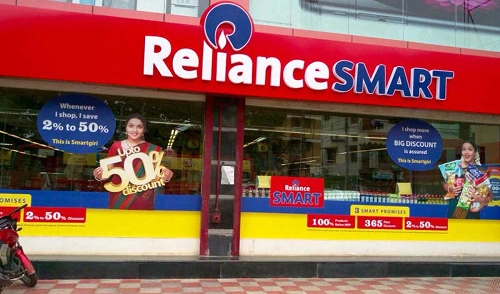
 Reliance Smart was launched under Reliance Retail to offer a modern supermarket experience with groceries, fresh fruits and vegetables, dairy, bakery, household goods and personal care items under one roof. The brand focuses on value pricing, strong supply chain support and consistent product availability, making it one of the fastest-growing supermarket formats in India. With demand for organised grocery retail rising sharply, many entrepreneurs consider partnering with Reliance Smart. This article explains the franchise/partnership model, investment cost, cost breakdown, space requirements, profitability and how to operate a Reliance Smart outlet in India.
About the Reliance Smart Brand
Reliance Smart is designed as a neighbourhood supermarket offering everyday essentials at competitive prices. The brand benefits from Reliance’s centralised procurement, strong logistics network, modern billing systems and a wide assortment across food and non-food categories. Franchise or retail partners must maintain strict standards in inventory, service, store layout, cleanliness and customer handling.
Is Reliance Smart a Franchise or Company-Owned Model in India?
Reliance Smart does not follow an open, traditional franchise model like a restaurant chain.
Instead, Reliance Retail expands through:
- Retail Partnership Models
- Dealer-Managed Supermarkets
- Licensed Store Operators
Under this format, investors operate stores under the Reliance Smart brand, while Reliance supports supply chain, systems and store standards.
Total Reliance Smart Franchise Investment Cost in India
Investment varies depending on city, store size and local rental conditions. Typical investment ranges include:
- Compact Store: ₹25 lakh – ₹40 lakh
- Standard Supermarket: ₹50 lakh – ₹1.2 crore
- Large Supermarket Format: ₹1.2 crore – ₹2 crore+
Most partners planning a full Reliance Smart supermarket fall in the ₹50 lakh – ₹1.2 crore range.
Reliance Smart Franchise Cost Breakdown
Here is a typical cost distribution:
- Partnership / Onboarding Fee: ₹3 lakh – ₹8 lakh
- Store Interiors & Fit-Out: ₹8 lakh – ₹25 lakh
- Refrigeration & Display Racks: ₹10 lakh – ₹30 lakh
- Initial Inventory & Stock: ₹15 lakh – ₹50 lakh
- POS & Billing Systems: ₹2 lakh – ₹5 lakh
- Signage & Branding: ₹2 lakh – ₹6 lakh
- Security & CCTV Setup: ₹1 lakh – ₹3 lakh
- Staff Hiring & Training: ₹2 lakh – ₹6 lakh
- Working Capital: ₹5 lakh – ₹15 lakh
- Rental Deposit: depends on city and landlord
Inventory and refrigeration units take up the biggest share of the start-up cost.
Space & Location Requirement
Typical space requirements include:
- Compact Store: 800 – 1,500 sq ft
- Standard Store: 1,500 – 3,000 sq ft
- Large Store: 3,000 – 6,000+ sq ft
Ideal store locations include residential markets, busy neighbourhood areas, commercial complexes, or near transit zones where families buy daily essentials.
Profit Margin & ROI for Reliance Smart Franchise
Supermarkets run on volume and repeat purchases rather than high margins.
- Net Profit Margin: 4% – 8%
- Monthly Revenue Potential: ₹15 lakh – ₹50 lakh+
- ROI Timeline: 24 – 36 months once customer base builds
Grocery retail sees steady year-round demand, making it comparatively stable.
Royalty & Ongoing Charges
Reliance typically follows a revenue-sharing or service-fee model, not a fixed royalty.
Franchise/partner operators handle:
- Store rent and utilities
- Staff salaries
- Inventory replenishment
- Local promotions
- Daily operations and shrinkage control
Reliance handles supply chain and overall brand guidelines.
Support Provided by Reliance Smart
Partners receive:
- Store layout and design support
- Vendor and inventory planning
- Supply chain access through Reliance Retail
- POS and billing system setup
- Staff training assistance
- Marketing and promotional support
- Guidance on pricing and merchandising
This allows partners to operate efficiently with modern supermarket standards.
Who Should Invest in a Reliance Smart Franchise?
- Entrepreneurs with ₹25 lakh – ₹2 crore investment capacity
- People with retail or supermarket experience
- Investors who can secure good commercial spaces
- Business owners comfortable with inventory and staff management
It suits those who want a stable business with consistent everyday demand.
Risks & Challenges
- Low profit margins compared to other retail formats
- High competition from local kiranas and other supermarket chains
- Inventory spoilage and shrinkage management
- Rental pressure in prime areas
Despite these, supermarkets remain steady due to essential-product sales.
How to Apply for a Reliance Smart Franchise / Partnership
- Prepare your financial profile and business background
- Identify a suitable high-footfall retail space
- Submit partnership/franchise application to Reliance Retail
- undergo location and capability evaluation
- On approval, sign the partnership agreement
- Complete store fit-out and setup
- Train staff and integrate billing systems
- Launch with Reliance promotional support
Conclusion
A Reliance Smart franchise or partnership is a strong business opportunity in India’s booming organised supermarket sector. With an investment range of ₹25 lakh to ₹2 crore, depending on store size, partners gain access to the robust Reliance supply chain, brand strength and stable grocery demand. For entrepreneurs interested in long-term, high-volume retail, Reliance Smart offers a solid and sustainable business model.