 By Saksham Arora
 Compressed Natural Gas (CNG) has become one of India’s most important alternative fuels due to rising petrol–diesel prices, stricter emission norms, and rapid expansion of city gas distribution networks. With government support and growing adoption of CNG vehicles, many entrepreneurs now explore the CNG pump franchise cost as a long-term, infrastructure-backed business opportunity.
A CNG pump is not a small retail franchise. It is an energy infrastructure project that requires land, approvals, and partnership with an authorized city gas distribution company. This article explains how the CNG pump model works, total investment, profit potential, and who this business is actually meant for in 2026.
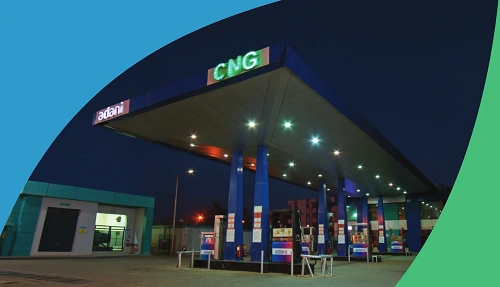
What Is a CNG Pump Business?
A CNG pump is a fuel dispensing station connected to a city gas pipeline network. The station compresses natural gas and supplies it to cars, autos, taxis, buses, and commercial fleets. Unlike petrol pumps, CNG stations operate under city gas distribution (CGD) companies licensed by the government. Examples include companies like Indraprastha Gas Limited and other regional CGD operators.
Is a CNG Pump a Franchise?
Technically, a CNG pump is not a traditional franchise. It operates under a dealer / operator model where:
- The CGD company supplies gas and controls pricing
- The dealer invests in land, infrastructure, and operations
- Revenue is earned through fixed dealer commission per kg of gas sold
The model is highly regulated and approval-based.
CNG Pump Franchise Cost in India
The investment required for a CNG pump is high and depends mainly on land ownership and station capacity.
Typical total investment ranges between ₹1.5 crore and ₹4 crore. In metro cities or high-capacity stations, investment can go even higher.
Detailed Cost Breakdown
- Land Cost: ₹50 lakh to ₹2 crore (varies heavily by city; owned land reduces cost significantly).
- Civil Construction & Canopy: ₹25 lakh to ₹50 lakh, including foundations, safety walls, office cabin, and driveway.
- CNG Compressor & Storage Cascade: ₹40 lakh to ₹1 crore, depending on capacity and throughput.
- Dispensers & Control Systems: ₹20 lakh to ₹40 lakh, including metering, automation, and safety systems.
- Electrical & Utility Setup: ₹10 lakh to ₹25 lakh, covering transformers, backup power, and control panels.
- Licenses & Approvals: ₹5 lakh to ₹10 lakh, including PESO clearance, fire safety, pollution, and statutory permissions.
- Working Capital: ₹15 lakh to ₹30 lakh, for manpower, electricity, maintenance, and operating buffer.
Space and Location Requirement
CNG pumps require large, road-facing plots.
Typical land requirement:
- Minimum area: 800–1,200 sq meters
- Easy vehicle entry and exit
- Proximity to city gas pipeline
- Compliance with safety distance norms
Locations near highways, transport hubs, bus depots, taxi stands, and industrial zones perform best.
Revenue Model and Dealer Commission
CNG pump owners earn through commission per kg of gas sold, not by setting fuel prices.
Typical dealer commission ranges from ₹2.5 to ₹4 per kg, depending on the CGD company and location. High-volume stations make money through throughput rather than margins.
Profit Margin and Earnings Potential
CNG pumps are volume-driven infrastructure businesses.
Typical performance indicators:
- Daily sales volume: 5,000–20,000 kg
- Monthly revenue (commission-based): ₹4 lakh to ₹25 lakh
- Net profit margin: 10%–18% after expenses
Break-even usually takes 4 to 6 years, depending on land cost and traffic volume.
Support Provided by CGD Companies
Authorized dealers receive:
- Gas supply and pricing support
- Technical design and safety guidelines
- Equipment specifications and audits
- Branding and signage
- Regular compliance inspections
However, day-to-day operations and maintenance remain the dealer’s responsibility.
Who Should Invest in a CNG Pump?
This business is suitable for:
- Landowners on highways or prime city roads
- Infrastructure and energy sector investors
- Business groups with ₹2–4 crore capital
- Investors with long-term vision
It is not suitable for small investors or those seeking quick returns.
Risks and Challenges
High capital requirement, regulatory approvals, electricity costs, compressor maintenance, dependence on pipeline connectivity, and long ROI period are major challenges. Any disruption in gas supply can impact operations. However, demand risk is relatively low due to fuel cost advantages.
How to Apply for a CNG Pump Dealership
- Identify land meeting safety and zoning norms
- Prepare ownership and site documents
- Apply to the local city gas distribution company
- Site feasibility and technical survey
- Commercial agreement and approvals
- Construction and equipment installation
- Safety inspections and certifications
- Commercial operations start
Conclusion
A CNG pump is a capital-intensive, infrastructure-level business, not a small franchise. With an investment of ₹1.5 crore to ₹4 crore, it offers stable demand, government-backed growth, and long-term relevance as India transitions to cleaner fuels. For investors with land, patience, and regulatory discipline, a CNG pump dealership can become a steady and durable business in 2026 and beyond.