 By Saksham Arora
 Fortis Healthcare is one of India’s largest and most respected private healthcare providers. Established in 2001, Fortis operates a wide network of multi-specialty hospitals, single-specialty centers, and diagnostic facilities across major Indian cities. Known for advanced medical infrastructure, experienced doctors, and international-quality standards, Fortis is often seen as a benchmark in corporate healthcare.
Because of this reputation, many investors search for the Fortis Hospital franchise cost. The truth, however, is that Fortis does not work like a normal franchise brand. This article explains Fortis’s actual expansion model, real investment requirements, profitability expectations, and who this opportunity is suitable for in 2026.
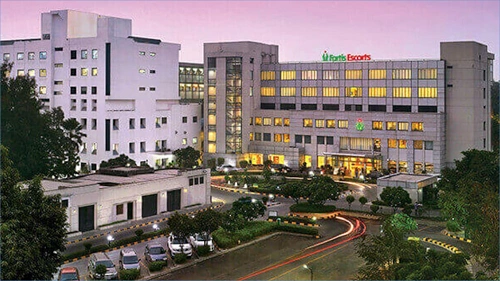
About the Fortis Healthcare Business Model
Fortis operates in the corporate hospital and tertiary healthcare segment. Its facilities include multi-specialty hospitals, super-specialty centers (cardiac, oncology, orthopedics), and diagnostics. The model is capital-intensive, compliance-heavy, and highly regulated. Patient trust, doctor quality, and clinical outcomes are central to the brand, which is why Fortis keeps very tight control over operations and medical standards.
Is Fortis Hospital a Franchise Model?
No. Fortis does not offer a public franchise model.
You cannot open a Fortis Hospital by paying a franchise fee like food, retail, or salon brands.
Instead, Fortis follows:
- Company-Owned & Company-Operated (COCO) hospitals
- Selective strategic partnerships / managed hospital agreements
These partnerships are rare and offered only to large hospital owners, healthcare groups, or real-estate developers with existing medical infrastructure.
Fortis Hospital Partnership Investment Cost in India
Opening or partnering with a Fortis-branded hospital requires very high capital investment.
Estimated total investment typically ranges between ₹150 crore and ₹400 crore+, depending on:
- Number of beds (100–300+ beds)
- City and land cost
- Specialty mix and technology level
- Whether it is a greenfield hospital or an existing hospital takeover
Detailed Cost Breakdown
- Land & Building Development: ₹60 crore – ₹150 crore
Includes land acquisition/lease, hospital structure, compliance-based construction, parking, and utilities. - Medical Equipment & Technology: ₹40 crore – ₹120 crore
MRI, CT scanners, cath labs, ICUs, operation theatres, robotic surgery systems, and diagnostics. - Hospital Interiors & Clinical Setup: ₹20 crore – ₹50 crore
Patient rooms, ICUs, OTs, waiting areas, pharmacy, labs, and safety systems. - Licensing & Regulatory Compliance: ₹5 crore – ₹10 crore
Fire safety, biomedical waste, NABH/JCI standards, radiation safety, and statutory approvals. - Pre-Operating & Staffing Costs: ₹15 crore – ₹40 crore
Doctor onboarding, nursing staff, admin teams, training, and soft launch expenses. - Working Capital: ₹10 crore – ₹30 crore
For salaries, consumables, utilities, marketing, and initial operational buffer.
Space and Location Requirement
Fortis hospitals require large land parcels or built-up hospital structures.
Typical requirements include:
- Land: 2–6 acres (for greenfield projects)
- Built-up area: 2–6 lakh sq ft
- Prime urban or metro-adjacent locations
- Strong road connectivity and emergency access
Healthcare zoning and long-term city planning approvals are critical.
Revenue Model & Profitability
Corporate hospitals are long-gestation healthcare assets.
Typical performance indicators:
- EBITDA margin: 15% – 22% after stabilization
- Annual revenue (200-bed hospital): ₹250 crore – ₹500 crore+
- Break-even period: 6 – 9 years
Profitability depends heavily on doctor reputation, specialty mix, insurance tie-ups, and occupancy rates.
Support & Control by Fortis
In any partnership, Fortis maintains strict control over:
- Clinical protocols and patient safety
- Doctor credentialing
- Pricing frameworks and insurance integration
- Technology systems and reporting
- Brand usage and hospital governance
The partner generally provides capital and infrastructure, while Fortis oversees medical and operational excellence.
Who Should Consider a Fortis Hospital Partnership?
This opportunity is suitable only for:
- Large healthcare groups
- Real estate developers with hospital-ready land
- Existing hospitals seeking brand conversion
- Institutional investors with ₹150 crore+ capital
It is not suitable for individual investors or first-time entrepreneurs.
Risks & Challenges
Extremely high capital requirement, long ROI period, regulatory complexity, doctor retention, insurance pricing pressure, and public scrutiny are key challenges. However, healthcare demand is stable and non-cyclical, which provides long-term security.
How Fortis Hospital Partnerships Typically Happen
- Identification of land or existing hospital asset
- Submission of detailed project and financial profile
- Clinical and market feasibility study
- Strategic approval by Fortis Healthcare
- Commercial and governance agreement
- Construction or hospital upgrade
- Doctor recruitment and system integration
- Phased hospital launch
Conclusion
Fortis Hospital is not a franchise opportunity in the conventional sense. It is a large-scale, institutional healthcare partnership requiring ₹150 crore to ₹400 crore+ investment and long-term commitment. For serious healthcare investors with deep capital, strong governance, and patience, partnering with Fortis can create a prestigious, high-impact medical institution. For most entrepreneurs, however, Fortis is better viewed as a healthcare operator to collaborate with—not a franchise to buy—in 2026.