 By Saksham Arora
 Indian Coffee House was originally established in 1936 by the Coffee Cess Committee and later reorganised in 1957 under various regional worker cooperative societies after the Coffee Board decided to close down several unprofitable coffee houses. Since then, Indian Coffee House has evolved into one of India’s most iconic heritage café chains, known for its vintage décor, uniformed waiters, simple menu, and affordable pricing. Many entrepreneurs search for information about the Indian Coffee House franchise because of its decades-long legacy, strong customer loyalty, and consistent footfall across cities. This article explains whether franchising is available, investment requirements, operational structure, cost insights, profitability factors, and possibilities for partnership in 2026.
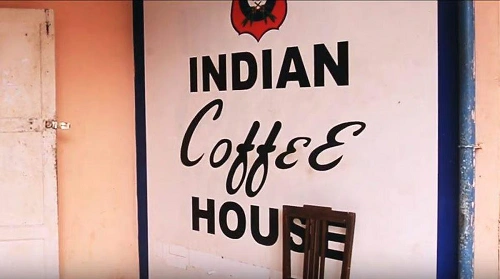
About the Indian Coffee House Brand
Indian Coffee House operates through employee-owned cooperative societies located across states such as Kerala, Karnataka, West Bengal, Madhya Pradesh, Rajasthan, Punjab, Delhi, and others. Each society independently manages its outlets, menu, pricing, procurement, staffing, and expansion. Unlike modern commercial café chains, the brand prioritises simplicity, tradition, and community welfare. The food offerings include South Indian meals, snacks, omelettes, cutlets, sandwiches, filter coffee, tea, and popular regional dishes. The ambience, old-school charm, and low prices have made it a nostalgic favourite among students, families, professionals, and senior citizens. The brand’s core philosophy revolves around service, employment generation, and cooperative ownership rather than aggressive franchising or commercial expansion.
Is Indian Coffee House a Franchise or Partnership Model in India?
Indian Coffee House does not operate a commercial franchise model. This is the most important aspect for prospective investors. Since the brand is run through worker cooperative societies, only the members of these cooperatives are allowed to operate units. No private individual or external entrepreneur can purchase or own an Indian Coffee House franchise.
Expansion is carried out internally by the cooperative societies, which decide when and where to open new outlets based on feasibility studies, internal funding, and organisational priorities.
Some cooperatives may accept proposals from government organisations, institutions, or campuses to set up Indian Coffee House outlets in their premises. However, these are not private franchises. Ownership and operations remain with the cooperative society while the institution simply provides space.
Total Indian Coffee House Investment Cost
Because Indian Coffee House does not offer franchises, there is no official franchise fee or investment plan for private investors.
However, for understanding purposes, when cooperative societies internally set up new outlets, the investment generally ranges as follows:
- Small to medium outlet: ₹40 lakh – ₹70 lakh
- Large or prime-location outlet: ₹70 lakh – ₹1.2 crore
This includes kitchen setup, furniture, interiors, staff uniforms, kitchen equipment, and rental deposits. These costs are fully financed by the cooperative societies themselves.
Indian Coffee House Cost Breakdown (Internal Cooperative Model)
A typical cost structure for opening an outlet under the cooperative model includes:
- Kitchen and food preparation equipment: ₹12 lakh – ₹25 lakh
- Interiors and seating: ₹10 lakh – ₹30 lakh
- Cash counters, POS system, uniforms: ₹2 lakh – ₹4 lakh
- Initial inventory: ₹2 lakh – ₹5 lakh
- Signage and basic branding: ₹1 lakh – ₹3 lakh
- Working capital: ₹5 lakh – ₹12 lakh
- Rental deposits: varies widely based on city and property
These costs may vary significantly as each cooperative individually decides on design, equipment specification, and overall investment.
Space and Location Requirements
Indian Coffee House outlets are usually located in central marketplaces, tourist areas, railway stations, bus stands, college zones, and government office clusters.
Typical space requirements include:
- Compact unit: 600 – 1,000 sq ft
- Standard sit-down restaurant: 1,000 – 2,000 sq ft
- Large restaurant: 2,000+ sq ft
Due to their heritage appeal, societies often prefer locations with strong daily footfall, institutional traffic, or areas frequented by families and long-time patrons.
Profit Margin & Business Viability
Since franchises are not available, profitability applies only to cooperative-run outlets.
Generally:
- Net profit margins: 8% – 15% (kept modest due to low pricing structure)
- Daily footfall: high, depending on region and heritage value
- Revenue: consistent, especially in older city centres
Indian Coffee House prioritises affordability and accessibility rather than high profit margins. Surpluses are used for salaries, employee welfare, and cooperative development.
Ongoing Operational Structure
Within the cooperative model, ongoing expenses include:
- Staff salaries (members receive salary plus cooperative benefits)
- Rent and utilities
- Food procurement
- Maintenance
- Taxes
- Institutional charges (if operating in an institution)
There is no royalty fee because there is no franchise system. All revenue and expenses are managed internally by the cooperative.
Support Provided (Internal Model)
When a cooperative opens a new outlet, the society provides:
- Staff recruitment and training
- Menu standardisation
- Procurement and supply chain support
- Brand guidelines (uniforms, signage, service style)
- Operational monitoring
- Financial oversight
These ensure that every outlet maintains the heritage-driven Indian Coffee House experience.
Who Should Consider Approaching Indian Coffee House?
While private franchising is not allowed, the following may explore collaboration:
- Government departments
- Universities and colleges
- Hospitals
- Transport authorities
- Public institutions offering subsidised or accessible dining
- Large campuses that want a low-cost canteen partner
Even in such cases, the outlet will be owned and operated by the cooperative, not the institution.
How to Apply for an Indian Coffee House Outlet (Institutional Collaboration Only)
Institutions can approach the respective regional cooperative society and submit:
- Institution profile with space details
- Expected footfall
- Rental terms or space allotment terms
- Operational support requirements
- Proposal for a long-term collaboration
The cooperative society evaluates feasibility, financial viability, and staffing before approving.
Conclusion
Indian Coffee House stands as one of India’s most historically significant café brands. However, despite widespread interest, the organisation does not offer private franchises. All outlets are strictly operated by regional worker cooperative societies, and expansion is carried out internally. While institutional collaborations are possible, private entrepreneurs cannot invest in or purchase a franchise. For those seeking a commercial café franchise model, Indian Coffee House is not the right choice. But for institutions looking for a heritage, low-cost, community-centric dining partner, Indian Coffee House remains a strong and reliable option.