 By Saksham Arora
 Jio Petroleum was established in the 2020s as part of India’s newer wave of fuel-retail brands aiming to serve growing vehicle and transport demand. With rising vehicle numbers across urban and rural India, a Jio petrol pump dealership offers a chance for investors to tap into steady fuel demand. This article outlines what it takes to set up a Jio petrol pump dealership — investment, infrastructure, expected returns, risks, and whether it suits you.
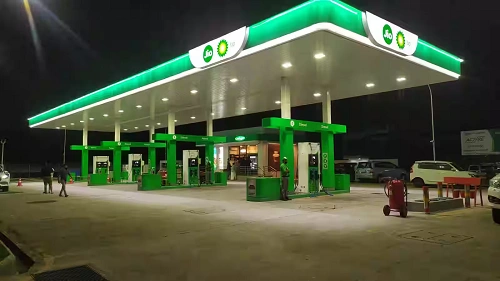
About the Jio Petrol Pump Brand
Jio Petrol Pump offers fuel dispensing for petrol and diesel (and possibly fuel variants), meeting the needs of private vehicles, two-wheelers, commuters, and transport vehicles. The brand aims to compete with major fuel companies by offering convenient fuel stations across accessible roads, supportive supply chain, and standardized pump operations. As a dealer under Jio, you benefit from brand association and a potential loyal customer base from daily commuters.
Is Jio Petrol Pump a Dealership or Franchise Model?
Jio operates under a dealership/distributorship model, not a typical retail franchise. Applicants can submit bids or proposals for new pump locations. On approval, they get dealership rights to operate the pump, supply fuel, manage station operations, retail and services under Jio’s brand guidelines and fuel supply network.
Total Jio Petrol Pump Dealership Cost in India
Investment required will depend on land availability, location (highway vs urban), fuel storage needs and station capacity. Typical estimates:
- Basic Pump on Small Site (existing land): ₹25–40 lakh
- Standard Petrol Pump Setup (rural or town): ₹40–70 lakh
- Urban or Highway High-capacity Pump: ₹70 lakh–₹1.5 crore
Most new dealerships for small to medium pumps would fall in the ₹40–70 lakh range.
Jio Petrol Pump Cost Breakdown
Major cost components include:
- Land preparation and site development (ground leveling, fencing, canopy base): ₹10–20 lakh
- Underground fuel tanks and pipeline installation: ₹8–15 lakh
- Fuel dispensers, meter pumps and dispensing equipment: ₹5–10 lakh
- Canopy, pump station building / kiosk construction, office and staff area: ₹5–10 lakh
- Safety equipment (fire safety systems, signage, spill prevention): ₹2–5 lakh
- Electricity / Generator / Power backup setup: ₹1–3 lakh
- Initial Fuel Stock (working capital for first refill cycle): ₹5–10 lakh depending on expected volume
- License, legal and compliance costs (permits, registrations): ₹1–2 lakh depending on state norms
Total setup cost typically lies between ₹40–70 lakh for a small to medium pump, higher for larger highway/urban pumps.
Space & Location Requirement
- Minimum Land Area: 800–1,200 sq meters for small pump (enough for canopy, tanks, dispensers and small shop space)
- Highway or High-capacity Pump: 1,200–2,500 sq meters to allow for multiple dispensers, parking, tanker access, safety buffer, and convenience store
Ideal locations include highways, busy city roads, outskirts of growing towns, transport corridors, and areas with heavy vehicle or commuter traffic. Easy access and visibility are crucial.
Profit Margin & ROI Potential
Fuel retail margins are regulated, but profitability depends on volume, fuel throughput, and additional services (convenience store, air/water services, lubricant sales). Typical potential:
- Monthly Fuel Sales Volume: Varies — smaller pumps might sell 40,000–60,000 litres; busy/urban pumps could sell 1–2 lakh litres depending on traffic
- Profit Margin per Liter: Set by market regulations — small absolute margin but volume makes the business profitable
- Estimated Monthly Net Profit: ₹1–3 lakh for small/medium pump; higher for high-volume pump — exact numbers vary by location, fuel demand, overheads
- Payback / ROI Period: 3–6 years depending on land cost, fuel demand, throughput and overhead management
Additional earning potential comes from convenience store, lubricant sales, air/water services, and other complementary services which enhance profit margins.
Royalty & Ongoing Charges
As a dealership you will handle:
- Fuel procurement and payments to Jio supply network
- Staff salaries and station operation costs
- Electricity, maintenance, safety compliance and environmental compliance costs
- Overheads like security, licenses, taxes, safety audits, and site maintenance
There are no conventional “franchise royalty fees,” but you must meet compliance, quality, safety and supply chain standards defined by Jio.
Support Provided by Jio Petrol Pump
Jio may provide:
- Fuel supply and logistics coordination
- Standard guidelines for station setup, safety protocols and operational quality
- Branding, signage, pump branding and official licensing support
- Technical support for fuel dispensers, tank installations, safety compliance and vendor coordination
- Training for staff on dispensing, customer handling, safety and cash handling
This helps ensure uniform standards across all dealer-operated pumps and reduces entry difficulties.
Who Should Invest in a Jio Petrol Pump Dealership?
This investment suits:
- Investors with ₹40–70 lakh capital and access to suitable land
- People comfortable with regulatory compliance, fuel handling and daily operations
- Entrepreneurs located near highways, busy roads, transport corridors or dense traffic zones
- Individuals looking for a stable, long-term investment based on essential fuel demand
Not ideal for those expecting quick profits or unable to manage compliance, maintenance and fuel demand cycles.
Risks & Challenges
- Fuel margin is thin — profitability depends on high volume and turnover
- Market regulations can affect pricing and profitability
- Dependence on constant supply and safe handling — any supply disruption or regulatory issue can impact business
- High safety and compliance standards needed — fire safety, environmental regulations, fuel storage norms
- Initial investment risk is high; payback may take years depending on demand and location viability
Careful planning, right location choice and strict compliance can mitigate most risks.
How to Apply for a Jio Petrol Pump Dealership
- Monitor official Jio dealership / retail pump announcements for open applications
- Verify land suitability, road access, traffic flow and regulatory clearances for fuel station setup
- Submit application with land documents, location details and required investment credentials
- On approval, sign dealership agreement with Jio
- Begin site development: land preparation, canopy construction, tank & pump installation, safety compliance, licensing
- Set up dispensers, staff, signage, fuel supply pipeline and compliance protocols
- Launch pump operations under Jio brand
Conclusion
A Jio petrol pump dealership can be a viable and profitable business opportunity in India’s growing vehicle and transport market. With an estimated investment of ₹40–70 lakh for small to medium pumps (higher for large highway-based pumps), and steady fuel demand, it offers long-term earnings potential. Success depends heavily on location, traffic volume, compliance and efficient operation. For serious investors with capital and suitable land, a Jio dealership can be a sustainable and rewarding venture.