 By Saksham Arora
 Kathi Junction is a popular Indian quick-service restaurant brand known for its kathi rolls, wraps, burgers, momos, and street-style fast food. Founded in 2009, the brand started with a simple goal—serve affordable, filling, and tasty fast food that appeals to students, office-goers, and young customers. Over the years, Kathi Junction has expanded across multiple cities in India, mainly through a franchise-driven model.
Because of its relatively low investment requirement and youth-focused menu, many first-time entrepreneurs search for Kathi Junction franchise cost. This article explains the franchise structure, investment details, space requirements, earnings potential, risks, and whether this business suits your profile.
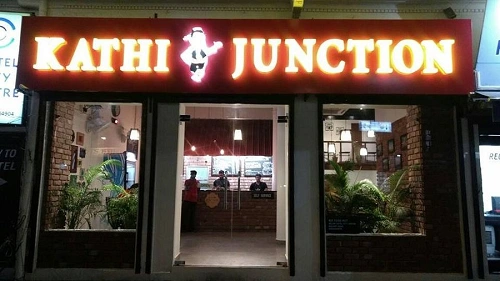
About the Kathi Junction Brand
Kathi Junction positions itself as a budget-friendly QSR brand. Its menu focuses on fast-moving items such as veg and non-veg kathi rolls, frankies, momos, burgers, fries, and beverages. The pricing strategy is designed to encourage repeat orders rather than premium dining experiences.
The brand performs best in areas with younger demographics, such as college zones, IT parks, office clusters, and busy markets. Speed, taste consistency, and affordability are the core strengths of Kathi Junction.
Is Kathi Junction a Franchise Model?
Yes, Kathi Junction operates on a pure franchise model.
Under this model:
- The brand provides recipes, menu, training, and branding
- The franchisee invests in the outlet and manages daily operations
- Central guidelines ensure uniform taste and presentation
This makes it easier for small and mid-level investors to enter the organized fast-food business.
Kathi Junction Franchise Cost in India
Kathi Junction is considered a low to mid-investment food franchise.
Estimated total investment:
₹12 lakh to ₹25 lakh
The final cost depends on city, outlet size, rent, and whether the store is takeaway-only or includes seating.
Detailed Cost Breakdown
1. Franchise Fee
A one-time fee paid to the brand for using the name and operating system.
- ₹3 lakh to ₹5 lakh
This usually includes initial training and launch support.
2. Outlet Setup & Interiors
Includes counters, branding, tiles, lighting, exhaust setup, and basic furniture if seating is provided.
- ₹4 lakh to ₹8 lakh
Simple, functional layouts are preferred to control costs.
3. Kitchen Equipment & Machinery
Includes burners, grills, fryers, refrigeration units, prep tables, and storage racks.
- ₹3 lakh to ₹5 lakh
The equipment requirement is moderate due to a standardized menu.
4. Initial Raw Material & Inventory
Includes wraps, fillings, sauces, packaging material, frozen items, and disposables.
- ₹1 lakh to ₹2 lakh
5. Licenses & Pre-Opening Expenses
FSSAI license, GST registration, local shop license, electricity deposit, and launch promotions.
- ₹1 lakh to ₹2 lakh
6. Working Capital
Cash required for rent, staff salaries, utilities, and daily expenses during the initial phase.
- ₹2 lakh to ₹3 lakh
Space and Location Requirement
Kathi Junction outlets are compact and flexible.
Typical requirements:
- Area: 200 to 600 sq ft
- Frontage: Good visibility from the road
- Format: Takeaway-only or takeaway + limited seating
Best-performing locations include:
- College and university areas
- IT parks and office zones
- Busy markets and food streets
- Near coaching centers and hostels
Footfall and delivery demand are more important than premium real estate.
Royalty and Ongoing Charges
- Royalty fee: Typically 5% to 7% of monthly sales
- Some outlets may also contribute to a common marketing fund
These charges support brand operations, menu updates, and quality monitoring.
Profit Margin and Earnings Potential
Kathi Junction operates on a high-volume QSR model.
Typical performance metrics:
- Gross margin: 55% to 65%
- Net profit margin: 15% to 25% after expenses
A reasonably located outlet can achieve:
- Monthly sales: ₹5 lakh to ₹12 lakh
- Monthly net profit: ₹75,000 to ₹2.5 lakh
Online delivery platforms often contribute a significant share of revenue.
Support Provided by Kathi Junction
Franchise partners usually receive:
- Standardized recipes and cooking methods
- Staff training before launch
- Store layout and branding guidance
- Menu updates and pricing strategy
- Operational support and audits
Day-to-day management and local marketing are handled by the franchisee.
Who Should Invest in a Kathi Junction Franchise?
This franchise is suitable for:
- First-time food business owners
- Young entrepreneurs
- Investors with ₹12–25 lakh capital
- People ready for hands-on involvement
It is not suitable for passive investors expecting guaranteed returns.
Risks and Challenges
- Heavy competition in the fast-food segment
- Dependence on footfall and delivery platforms
- Staff turnover in QSR operations
- Taste consistency management
- Price sensitivity of customers
Strong execution and location choice help reduce these risks.
How to Apply for Kathi Junction Franchise
- Finalize a suitable location
- Prepare basic investment and space details
- Submit franchise inquiry to the brand
- Location feasibility review
- Commercial discussion and agreement
- Outlet setup and staff training
- Store launch
Approval depends on city strategy and location potential.
Conclusion
Kathi Junction is a practical entry-level franchise in India’s fast-food sector. With an investment range of ₹12 lakh to ₹25 lakh, it offers a recognizable brand, simple operations, and good profit potential when managed actively. While competition is high and margins depend on volume, the brand’s affordability and youth appeal provide steady demand.