 By Saksham Arora
 Reliance Trends was launched in 2008 as the apparel and lifestyle retail arm of Reliance Retail and has since grown into one of India’s largest value-fashion chains. Known for affordable, trend-led clothing and wide assortment for men, women and children, Reliance Trends targets mass-market shoppers across metros and smaller cities. This article breaks down the total investment, store formats, cost structure, space needs, profit expectations and whether a Reliance Trends franchise (retail-partner) is right for you.
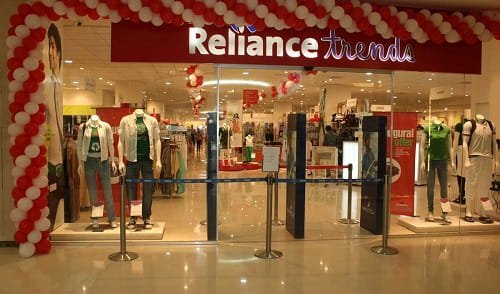
About the Reliance Trends Brand
Reliance Trends offers apparel, footwear, accessories and lifestyle goods under affordable pricing and frequent new collections. The brand focuses on large assortments, seasonal launches, family shopping and aggressive value promotions. Its national supply chain and brand recall help franchise partners get steady customer traffic, especially in malls and busy high-street locations.
Is Reliance Trends a Franchise / Retail-Partnership Model?
Reliance Trends operates via a franchise / retail-partner (FOFO) model in select markets. Franchise partners operate stores under the brand standards while Reliance supplies merchandise, merchandising guidance, backend logistics and marketing support.
Total Reliance Trends Franchise Cost in India
- Compact / Specialty Store (smaller city, limited range): ₹25–45 lakh
- Standard Full-format Store (approx. 2,000–3,000 sq ft): ₹50–75 lakh
- Large Mall / High-Street Store (2,500–4,000+ sq ft with deeper inventory): ₹90 lakh–₹2 crore or more Most viable mid-size stores fall in the ₹50–75 lakh bracket depending on inventory depth and location.
Reliance Trends Franchise Cost Breakdown
- Franchise / Onboarding Fee and initial deposits: ₹5–10 lakh (varies by agreement)
- Interiors, Fixtures & Display Setup (racks, lighting, flooring, trial rooms): ₹15–30 lakh depending on finish
- Initial Merchandise Inventory (apparel, footwear, accessories across categories): ₹20–60 lakh depending on store size and SKU depth
- POS, Billing, Inventory Management & Security Systems: ₹2–5 lakh
- Staff Hiring & Training: ₹2–4 lakh initial outlay
- Signage, Branding & Launch Marketing: ₹1–3 lakh
- Working Capital Reserve (first 3 months): ₹5–10 lakh
- Rental Deposit / Lease Advance: city-dependent (can be a major variable)
Inventory and store fit-out form the largest parts of the investment.
Space & Location Requirement
- Compact Store: 800–1,500 sq ft (specialty or category store)
- Standard Family Apparel Store: 2,000–3,000 sq ft (recommended for core ranges)
- Large Mall Flagship: 2,500–4,000+ sq ft for full assortment and high displays
Best locations: malls, busy high-street retail corridors, commercial shopping districts and established market centres with strong family footfall.
Reliance Trends Profit Margin & ROI Expectations
- Gross margins depend on product mix and sales promotions; healthy turnover is critical.
- Net Profit Margin: ~8%–15% after overheads depending on sales density, rent and inventory turns.
- Monthly Profit: varies widely — large mall stores can generate substantial revenue while small stores rely on steady turnover and promotions.
- ROI Timeline: 18–36 months typical if stock turns quickly and store achieves forecasted sales; slower in weak locations.
Royalty & Ongoing Charges
Reliance typically follows a partnership structure that may include revenue-sharing or commission terms rather than heavy fixed royalties. Ongoing costs borne by franchisee include: rent, utilities, staff salaries, inventory restocking, store maintenance and local marketing. Keeping rent-to-sales ratio under control is essential to healthy margins.
Support Provided by Reliance Trends
- National merchandise supply and inventory planning support.
- Visual merchandising, store design guidelines and launch assistance.
- Billing, POS and inventory management systems and backend logistics.
- Seasonal marketing, promotions and national advertising that helps drive footfall.
- Training modules for staff and merchandising teams. These supports reduce operational risk and speed up ramp-up.
Who Should Invest in a Reliance Trends Franchise?
- Investors with ₹50–75 lakh (or higher for larger mall formats).
- Entrepreneurs able to secure or lease 2,000+ sq ft in malls or busy retail districts.
- Individuals experienced or willing to learn large-format retail operations, inventory planning and staff management.
- Those prepared for a medium-term retail commitment and active management rather than a passive investment.
Risks & Challenges
- High capital tied in inventory and store fit-out; unsold stock impacts cash flow.
- Fashion retail is seasonal — poor assortment or timing can cause markdowns.
- Rent in premium locations can sharply reduce margins.
- Strong competition from other value-fashion chains and online marketplaces.
- Dependence on efficient inventory planning, promotion execution and footfall. Good merchandising, cost control and customer service are essential.
How to Apply for a Reliance Trends Franchise
- Prepare property details, investment capacity and business plan.
- Submit a formal partner enquiry to Reliance Retail regional team for Trends.
- Undergo site feasibility and demographic evaluation by the brand.
- On approval, sign the retail partnership agreement and fulfill onboarding terms.
- Complete store fit-out, install POS & inventory systems, procure initial merchandise supply.
- Hire and train staff, merchandise the store and launch with promotional support.
Conclusion
Reliance Trends is a major mass-market fashion franchise opportunity with investment typically ranging from ₹50–75 lakh for standard stores and scaling to ₹1 crore+ for large mall formats. Its organised supply-chain, brand power and national campaigns make it attractive for serious retail investors. Success depends on choosing the right location, tight inventory control, strong visual merchandising and disciplined cost management. For investors with adequate capital and retail ambition, Reliance Trends can be a solid long-term business.