 By Saksham Arora
 Diamonds are often associated with luxury, wealth, and status. Many people assume that because diamonds are expensive, they must also be great investments. Jewellery advertisements and popular culture have strengthened this belief for decades.
But when it comes to actual investing, diamonds are far more complicated than people think.
So, is diamond a good investment? For most regular investors, the answer is usually no — at least not in the same way as gold, stocks, or real estate. While rare diamonds can sometimes gain value, most diamonds bought from jewellery stores lose a significant portion of their resale value after purchase.
That does not mean diamonds are worthless. They still hold emotional, cultural, and luxury value. But from a pure investment perspective, there are important realities buyers should understand.
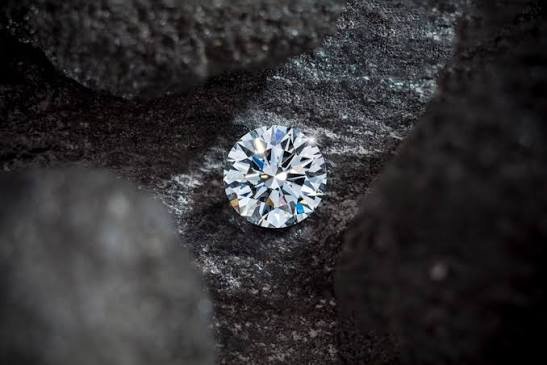
Why Diamonds Attract Investors
Diamonds are rare, durable, and globally recognized luxury assets. Natural diamonds take billions of years to form deep inside the Earth.
Because of this rarity and prestige, many people believe diamonds naturally appreciate over time.
Large or rare diamonds have historically been collected by wealthy investors and auction houses. Certain rare colored diamonds, especially natural red or blue diamonds, can sell for extremely high prices.
However, these are exceptional cases and very different from normal retail diamond jewellery.
The Biggest Problem With Diamond Investment
Poor Resale Value
This is the main issue most buyers discover too late.
When people buy diamond jewellery from retail stores, they often pay for:
- Brand markup
- Design charges
- Retail margins
- Certification costs
- Making charges
But when selling the diamond later, buyers in the resale market usually care mainly about the stone itself.
As a result, resale prices are often much lower than the original purchase price.
Unlike gold, diamonds do not have a simple universal pricing structure that guarantees easy resale.
Diamonds Are Less Liquid Than Gold
Gold can usually be sold quickly almost anywhere.
Diamonds are different.
Finding buyers for diamonds can take time because value depends on many factors, including:
- Cut
- Clarity
- Color
- Carat weight
- Certification
- Market demand
Two diamonds of similar size can have very different values.
This makes diamonds less liquid and harder to price compared to gold.
Lab-Grown Diamonds Changed the Market
One major reason diamond investment has become more uncertain is the rapid rise of lab-grown diamonds.
Lab-grown diamonds are chemically and physically identical to natural diamonds.
They are often much cheaper than mined diamonds, sometimes costing 40–70% less.
Because lab-grown diamonds can be produced more easily, their resale value is generally much weaker than natural diamonds.
Even natural diamond prices have faced pressure in recent years because of increasing competition from lab-grown alternatives.
Natural Diamonds vs Lab-Grown Diamonds
Natural Diamonds
Natural diamonds are generally considered better for long-term value retention because they are rarer and have an established resale market.
However, even natural diamonds often lose value after retail purchase.
Lab-Grown Diamonds
Lab-grown diamonds are more affordable and visually identical to natural diamonds.
But they are usually not considered strong investment assets because prices continue falling as production grows.
Most buyers choose lab-grown diamonds for affordability rather than investment potential.
Are Rare Diamonds Different?
Yes.
Extremely rare diamonds, especially:
- Large flawless diamonds
- Fancy colored diamonds
- Auction-grade stones
can sometimes appreciate significantly.
But these are luxury collector assets for wealthy investors, not ordinary jewellery-store purchases.
Most average buyers will never enter this part of the market.
Diamond vs Gold Investment
This comparison is very common.
Gold Advantages
- Easier resale
- Better liquidity
- Transparent pricing
- Stronger investment history
- Better wealth preservation
Diamond Advantages
- Luxury appeal
- Emotional value
- Portable wealth
- Unique rarity in some cases
For pure investment purposes, gold is generally considered far more practical and reliable than diamonds.
When Diamonds Can Still Make Sense
Diamonds may still be worth buying if your goal includes:
- Jewellery use
- Emotional value
- Wedding or gifting purposes
- Luxury collection
- Personal enjoyment
In these cases, investment return may not be the main priority.
Who Should Avoid Buying Diamonds as Investments?
Diamonds may not be ideal for:
- People seeking stable returns
- Investors wanting high liquidity
- Short-term investors
- Beginners expecting guaranteed appreciation
- People comparing diamonds directly with gold
Final Verdict
For most people, diamonds are better viewed as luxury purchases rather than strong investment assets.
While rare diamonds can sometimes appreciate in value, ordinary retail diamond jewellery usually does not perform like traditional investments. Poor resale value, pricing complexity, and growing competition from lab-grown diamonds make the market uncertain.
Natural diamonds still hold better value than lab-grown diamonds, but even they often lose value after purchase.
If your goal is emotional satisfaction, gifting, or personal luxury, diamonds can absolutely be worth buying. But if your goal is wealth building or long-term investing, assets like gold, equities, or real estate are usually considered more practical choices.
FAQs
Q. Do diamonds increase in value over time?
Some rare diamonds may appreciate, but most retail diamond jewellery does not significantly increase in value.
Q. Are natural diamonds better investments than lab-grown diamonds?
Generally yes. Natural diamonds tend to retain value better because of rarity and stronger resale demand.
Q. Why is diamond resale value low?
Retail markups, certification costs, and limited resale demand often reduce resale prices.
Q. Is diamond better than gold as an investment?
For most investors, gold is considered more liquid, transparent, and reliable than diamonds.
Q. Should I buy diamonds for investment purposes?
Most financial experts do not recommend regular retail diamonds as primary investment assets.