 By Saksham Arora
 Even in today’s digital world, offline businesses remain a significant part of the economy. An offline business operates through physical stores, offices, or direct interactions with customers, rather than solely online. Examples include retail stores, restaurants, manufacturing units, service providers, and local markets.
While online businesses have gained popularity, offline businesses continue to thrive due to personalized service, trust-building, and direct customer engagement. In this article, we will explore the advantages and disadvantages of offline businesses, helping aspiring entrepreneurs make informed decisions about this traditional business model.
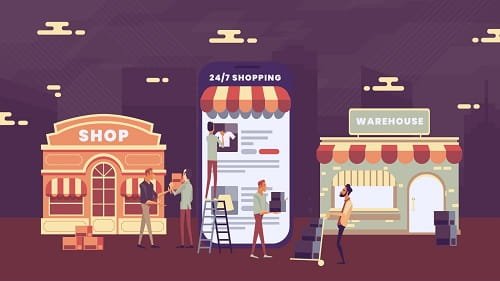
What is an Offline Business?
An offline business is any enterprise that sells products or services in a physical location. Customers visit the store or office to interact with the business directly, make purchases, or access services. Examples include grocery stores, clothing shops, salons, gyms, and restaurants.
Unlike online businesses, offline businesses rely on face-to-face communication, in-person transactions, and physical presence to attract and retain customers.
Advantages of Offline Business
Offline businesses offer several benefits that make them a preferred choice for many entrepreneurs, especially for local or small-scale ventures.
1. Direct Customer Interaction
One of the biggest advantages of an offline business is the ability to interact with customers face-to-face. This allows business owners to:
- Understand customer needs
- Build strong relationships
- Provide personalized service
Direct interaction helps in creating trust, which is crucial for long-term customer loyalty.
2. Immediate Product Delivery
In an offline business, customers can purchase and take products immediately, unlike online businesses that require shipping and delivery. Immediate availability is particularly important for items like groceries, apparel, electronics, and daily necessities.
3. Local Market Presence
Offline businesses have a physical presence in a specific location, which helps in targeting local customers effectively. Being visible in a local market builds brand awareness and encourages repeat customers from the neighborhood.
4. Reduced Reliance on Technology
Offline businesses do not depend heavily on the internet or digital tools. This reduces the risk of:
- Website downtime
- Cybersecurity threats
- Technical glitches
For entrepreneurs with limited technical knowledge, offline businesses are easier to manage.
5. Easier for Certain Products and Services
Some products and services require physical demonstration or direct experience. For example:
- Restaurants and cafes rely on the dining experience
- Salons and spas require personal services
- Furniture stores need customers to see and feel products
Offline businesses allow customers to experience products firsthand, increasing purchase confidence.
6. Cash-Based Transactions
Offline businesses often accept cash payments, which can simplify transactions and reduce dependence on online payment gateways. Cash payments can improve immediate cash flow for small business owners.
7. Brand Loyalty Through Personal Touch
Personalized attention, friendly service, and relationship-building in offline businesses often lead to stronger customer loyalty. Customers tend to return to businesses where they feel valued and recognized.
8. Less Competition Online
In some cases, local offline businesses face less competition compared to online businesses, especially in niche markets or small towns. Entrepreneurs can dominate local markets by catering to specific customer needs effectively.
9. Tangible Brand Presence
A physical store provides a tangible brand presence. Signage, store layout, and in-person service contribute to branding and marketing in a way that online platforms cannot fully replicate.
Disadvantages of Offline Business
While offline businesses have many advantages, they also come with limitations that entrepreneurs need to consider.
1. Limited Market Reach
Unlike online businesses, offline businesses are generally limited to a geographic location. Reaching customers outside the local area requires expansion, multiple outlets, or additional investment.
2. Higher Startup Costs
Starting an offline business typically involves higher initial investments. Costs may include:
- Renting or purchasing a physical store
- Interior design and fixtures
- Inventory stocking
- Staff salaries
These costs are significantly higher compared to online businesses.
3. Fixed Working Hours
Offline businesses operate on fixed hours, limiting sales opportunities. Unlike online businesses that operate 24/7, offline businesses cannot generate revenue outside their working hours.
4. Inventory and Storage Challenges
Offline businesses often require large inventories and storage space. Overstocking can lead to wastage, especially for perishable goods, while understocking may result in lost sales opportunities.
5. High Operational Costs
Running an offline business involves continuous expenses, such as:
- Rent and utilities
- Staff salaries and benefits
- Maintenance and insurance
High operational costs can reduce overall profit margins.
6. Risk of Theft or Damage
Physical stores are vulnerable to risks like theft, fire, natural disasters, or damage to inventory. Proper security measures and insurance are necessary to mitigate these risks, which adds to operational costs.
7. Limited Scalability
Offline businesses can be difficult to scale compared to online businesses. Expanding requires opening new outlets, hiring more staff, and increasing inventory, which involves substantial investment and logistical planning.
8. Marketing Limitations
Offline businesses rely heavily on local marketing channels such as flyers, posters, word-of-mouth, or local media. Unlike online marketing, reaching a large audience or global market can be challenging and costly.
9. Dependence on Foot Traffic
Offline businesses are heavily dependent on customer foot traffic. Poor location, limited visibility, or seasonal fluctuations can significantly affect sales.
10. Competition from Online Businesses
Offline businesses often face competition from online stores offering lower prices, convenience, and home delivery. Customers may prefer online alternatives, especially in urban areas, putting pressure on offline businesses to maintain competitive pricing and customer service.
Conclusion
Offline businesses continue to be a strong and reliable business model, particularly for entrepreneurs targeting local markets or providing products and services that require direct customer interaction. They offer advantages such as direct engagement, immediate product delivery, local market presence, and strong brand loyalty.
However, offline businesses also have limitations, including higher startup costs, operational expenses, limited market reach, and dependence on foot traffic. To succeed, offline businesses must focus on customer experience, strategic location, inventory management, and efficient operations.
In today’s hybrid business environment, many entrepreneurs combine offline and online strategies to maximize reach, convenience, and profitability. For instance, a retail store may sell products in-store while also maintaining an online store for wider reach.
In summary, offline businesses are ideal for those who value personalized service, tangible brand presence, and local market dominance, but careful planning is essential to address operational costs, competition, and scalability challenges.