 By Saksham Arora
 Samosa Singh was founded in 2016 and quickly grew into a modern Indian snack brand known for its innovative samosa varieties, hygienic preparation and QSR-style retail model. The company reimagined the traditional samosa with new fillings, consistent taste and scalable operations. As demand for organised street-food brands rises across India, many entrepreneurs explore opening a Samosa Singh franchise. This article explains the franchise model, investment required, cost breakdown, space needs, profitability and how to open and operate a Samosa Singh outlet in India.
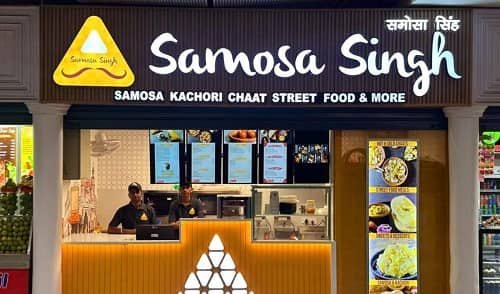
About the Samosa Singh Brand
Samosa Singh specialises in premium samosas, snack combos, chaats, beverages and quick bites. The menu includes classic potato samosas, cheese and corn samosas, paneer variations, fusion items and value meal boxes. The brand is known for hygienic preparation, centralised kitchens, a strong delivery presence and an appealing retail identity. Franchise partners must follow food preparation, packaging, branding and service standards to ensure consistent customer experience.
Is Samosa Singh a Franchise or Company-Owned Model in India?
Samosa Singh operates through a franchise model in many cities.
You can open:
- Takeaway / Express Outlet – high delivery volume, compact counter
- Food Court / Mall Outlet – small-format outlet for high traffic
- Standard QSR Outlet – dine-in + takeaway model
All outlets are operated by franchise partners following the menu, branding and operational systems of the brand.
Total Samosa Singh Franchise Investment Cost in India
The investment varies by outlet size and location. Typical ranges include:
- Takeaway / Delivery Outlet: ₹12 lakh – ₹18 lakh
- Food Court Outlet: ₹18 lakh – ₹25 lakh
- Standard QSR Outlet: ₹25 lakh – ₹35 lakh+
Most entrepreneurs start with a ₹12 lakh – ₹25 lakh investment, especially in cities with strong delivery demand.
Samosa Singh Franchise Cost Breakdown
- Franchise Fee: ₹3 lakh – ₹5 lakh (one-time)
- Outlet Interiors & Fit-Out: ₹4 lakh – ₹8 lakh
- Kitchen Equipment & Machinery: ₹3 lakh – ₹6 lakh
- Display Counter & Packaging Setup: ₹1 lakh – ₹3 lakh
- Initial Raw Materials & Supplies: ₹1 lakh – ₹2 lakh
- POS & Billing System: ₹50,000 – ₹1 lakh
- Branding & Signage: ₹1 lakh – ₹2 lakh
- Staff Training & Onboarding: ₹50,000 – ₹1 lakh
- Working Capital: ₹1 lakh – ₹3 lakh
- Rental Deposit: varies by location
Kitchen equipment, interiors and the franchise fee form the main components of the investment.
Space & Location Requirement
- Takeaway Outlet: 120 – 200 sq ft
- Food Court Outlet: 150 – 300 sq ft
- Standard QSR: 250 – 500 sq ft
Ideal locations include:
- High streets
- College zones
- IT parks
- Residential markets
- Malls and food courts
- Areas with strong Zomato/Swiggy demand
Delivery-focused areas tend to perform especially well.
Profit Margin & ROI for Samosa Singh Franchise
Snack-based QSR brands typically enjoy high repeat orders and delivery-driven growth.
- Net Profit Margin: 15% – 25% depending on sales mix
- Monthly Revenue Potential: ₹2 lakh – ₹7 lakh+ depending on city and footfall
- ROI Timeline: 18 – 30 months once customer flow stabilises
Combos, drinks and special samosa flavours improve profit margins.
Royalty & Ongoing Charges
Franchise partners generally pay:
- Royalty Fee: a percentage of monthly sales
Partners also bear:
- Rent and utilities
- Staff salaries
- Inventory purchases
- Local marketing activities
The brand conducts regular audits to ensure quality, consistency and hygiene.
Support Provided by Samosa Singh
- Outlet design and layout guidance
- Standardised food preparation methods
- Centralised supply chain support
- Training for kitchen and service staff
- POS and operational systems
- Marketing and launch promotion support
This ensures franchise partners start smoothly and maintain brand standards.
Who Should Invest in a Samosa Singh Franchise?
- Entrepreneurs with ₹12 lakh – ₹35 lakh capital
- Food business aspirants seeking a compact, scalable model
- Investors targeting delivery hotspots or mall food courts
- First-time business owners wanting structured support
This model suits those who want to enter the affordable snack and QSR segment with a strong brand identity.
Risks & Challenges
- High competition from local snack shops and QSR brands
- Dependence on delivery platforms for growth
- Staff training and retention challenges
- Managing fresh stock and food quality
Still, organised snack brands benefit from hygiene trust, variety, and the popularity of samosas.
How to Apply for a Samosa Singh Franchise
- Prepare your business and financial profile
- Identify a suitable location with strong footfall or delivery potential
- Submit franchise application to the company’s expansion team
- After approval, sign the franchise agreement
- Begin outlet setup, interiors and kitchen installation
- Train staff under brand guidelines
- Launch the outlet with brand-backed promotions
Once operational, your outlet serves dine-in, takeaway and delivery customers.
Conclusion
Samosa Singh offers a profitable and modern QSR franchise model built around one of India’s favourite snacks. With investment typically ranging from ₹12 lakh to ₹35 lakh, franchise partners benefit from strong menu appeal, high repeat order potential and structured operational support. For entrepreneurs looking for a compact, efficient and fast-moving food business, Samosa Singh provides a solid long-term opportunity.