 By Saksham Arora
 Yes, buying silver coins can be a good investment for people looking for an affordable precious metal investment, long-term value storage, and portfolio diversification. Silver coins are cheaper than gold, easier for small investors to accumulate, and have both industrial and investment demand. However, silver prices can be more volatile than gold, and silver usually requires patience because price growth can be slower and more unpredictable.
For investors seeking a balance between affordability and precious metal ownership, silver coins can be a practical long-term investment option.
What Are Silver Coins?
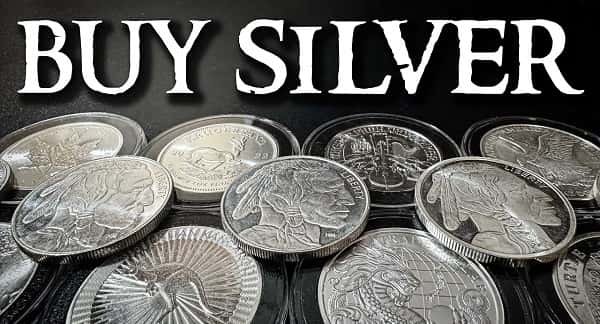
Silver coin are physical silver pieces sold in different weights and purity levels.
They are commonly available through:
- Jewellers
- Banks
- Bullion dealers
- Online precious metal platforms
Most investment-grade silver coins are sold with high purity such as 999 silver.
Silver coins are popular among both investors and families buying for cultural or gifting purposes.
Why Silver Coins Are Considered Good Investments
Affordable Compared to Gold
One of the biggest advantages of silver coins is affordability.
Many people cannot regularly buy gold, but silver allows smaller investors to accumulate precious metals gradually without needing huge capital.
This accessibility makes silver attractive for beginners.
Physical Asset Ownership
Silver coins provide direct physical ownership.
Many investors prefer tangible assets they can personally store and access rather than relying entirely on digital investments.
This physical security creates psychological comfort for some investors.
Industrial Demand Supports Silver
Unlike gold, silver has major industrial uses.
Silver is widely used in:
- Electronics
- Solar panels
- Medical equipment
- Electric vehicles
- Industrial manufacturing
Because of this, industrial demand can support long-term silver prices.
Portfolio Diversification
Silver coins help diversify investment portfolios beyond:
- Stocks
- Mutual funds
- Real estate
- Fixed deposits
Precious metals often behave differently from equity markets during economic uncertainty.
Potential Upside During Commodity Cycles
Silver sometimes experiences strong price rallies during commodity booms or inflationary periods.
Because silver markets are smaller than gold markets, price movements can occasionally become very sharp.
Why Silver Coins Can Be Risky
Silver Prices Are More Volatile Than Gold
Silver can fluctuate heavily in price.
While this volatility creates upside potential, it also increases risk.
Silver prices are affected by:
- Industrial demand
- Global economy
- Inflation trends
- Commodity cycles
- Investor sentiment
Storage Can Become Difficult
Silver takes more physical space than gold for the same value.
Large silver holdings may require:
- Secure storage
- Bank lockers
- Additional protection
This can create inconvenience for some investors.
No Passive Income
Silver coins do not generate:
- Interest
- Dividends
- Rental income
Returns depend completely on future price appreciation.
Buy-Sell Margins Affect Returns
Dealers often sell silver coins at premiums above market prices and buy them back at slightly lower prices.
This spread can reduce actual profits.
Tarnishing and Maintenance
Silver can tarnish over time if not stored properly.
Although tarnishing does not usually destroy value, maintenance may become necessary.
Silver Coin vs Gold Coin
Gold Coin Advantages
- More stable prices
- Better long-term wealth preservation
- Easier storage
- Stronger global trust
Silver Coin Advantages
- More affordable
- Higher industrial demand
- Greater percentage growth potential in some cycles
Gold is usually considered safer, while silver is often viewed as more volatile but potentially more aggressive.
Silver Coin vs Silver ETF
Silver ETF Advantages
- No storage problems
- Easier trading
- Better liquidity
- Digital convenience
Silver Coin Advantages
- Physical ownership
- Tangible asset security
- No Demat account needed
The better option depends on whether investors prefer physical control or digital convenience.
Who Should Buy Silver Coins?
Silver coins may suit:
- Small investors
- Precious metal collectors
- Long-term investors
- Diversification-focused investors
- People seeking affordable hard assets
Who May Not Prefer Silver Coins?
Silver coins may not suit:
- Investors seeking stable returns
- People wanting passive income
- Investors uncomfortable with commodity volatility
- Individuals seeking short-term guaranteed profits
Important Reality About Silver Investing
Silver can remain stagnant for long periods before major rallies occur.
Investors should avoid expecting quick profits from silver coins.
Precious metals usually work better as long-term diversification assets rather than fast wealth-creation tools.
Final Verdict
Yes, buying silver coins can be a good investment for people seeking affordable precious metal exposure and long-term diversification.
Silver offers physical ownership, industrial demand support, and lower entry cost compared to gold. However, silver prices can be volatile, and returns are not guaranteed.
For many investors, silver coins work best as a small part of a balanced portfolio rather than the primary investment strategy.
FAQs
Q: Are silver coins better than silver jewellery for investment?
A: Yes. Silver coins usually have lower making charges and better purity standards.
Q: Can silver prices increase in the future?
A: Yes. Silver prices may rise because of industrial demand, inflation, or commodity market cycles.
Q: Is silver safer than gold?
A: Gold is generally considered more stable, while silver is usually more volatile.
Q: Are silver coins easy to sell?
A: Generally yes, especially if purity and certification are reliable.
Q: Should I invest only in silver coins?
A: Most financial experts recommend diversification instead of depending entirely on silver investments.