 By Saksham Arora
 Spencer’s is one of India’s oldest and most recognizable organized retail brands. Its roots go back more than a century, and today it operates as a modern food and grocery retailer under Spencer’s Retail, part of the RPG Group. With formats ranging from neighborhood stores to large supermarkets, Spencer’s has built strong trust among urban and semi-urban customers. Because grocery is a daily-need business with predictable demand, many entrepreneurs look up the Spencer franchise cost when planning a retail venture in 2026.
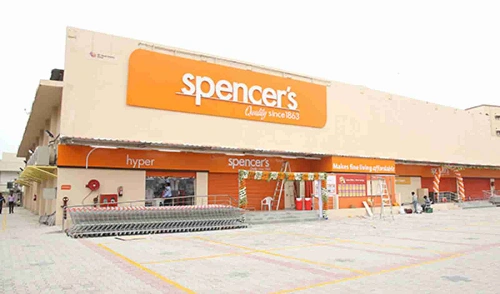
About the Spencer’s Retail Business Model
Spencer’s operates in the organized food and grocery retail segment, selling fresh fruits and vegetables, staples, packaged foods, dairy, frozen items, personal care products, and household essentials. The business works on high volume and low margins, which means success depends heavily on location, inventory control, and daily operations. Unlike fashion or food service, grocery retail is less seasonal and generates steady footfall throughout the year.
Is Spencer’s a Franchise Model?
Yes. Spencer’s follows a franchise / partner-operated store model in selected locations.
Under this system:
- The franchise partner invests in store setup and working capital
- Spencer’s provides branding, supply chain access, pricing systems, and backend support
- Day-to-day store operations are handled locally but under strict company guidelines
The model is designed for entrepreneurs who are willing to be actively involved in running the store.
Spencer Franchise Cost in India
Spencer’s is considered a mid-investment supermarket franchise.
The total investment typically ranges between ₹20 lakh and ₹50 lakh, depending on store size, city, rental costs, and inventory requirements.
Detailed Cost Breakdown
- Franchise / Brand Fee: ₹3 lakh – ₹6 lakh (one-time).
- Store Interiors & Fixtures: ₹6 lakh – ₹12 lakh, including racks, billing counters, lighting, signage, and basic interiors.
- Refrigeration & Equipment: ₹4 lakh – ₹8 lakh for chillers, freezers, weighing scales, and cold storage units.
- Initial Inventory: ₹6 lakh – ₹15 lakh, depending on SKU range and store size.
- Licenses & Pre-Opening Expenses: ₹1 lakh – ₹2 lakh (GST, shop act, FSSAI, utilities).
- Working Capital: ₹4 lakh – ₹7 lakh for rent, staff salaries, electricity, and early operational buffer.
Space and Location Requirement
Spencer’s stores perform best in residential and mixed-use neighborhoods.
Typical space requirements include:
- Store size: 800 – 2,000 sq ft
- Ground-floor access preferred
- Good visibility and easy entry/exit
High-density housing areas, apartments, and established residential colonies usually deliver the most consistent sales.
Royalty and Ongoing Charges
Spencer’s generally operates on a margin-sharing model rather than a heavy royalty structure.
- Product margins are pre-defined by category
- Pricing and promotions are centrally controlled
- There may be a small technology or system support fee
This keeps cash flow predictable but limits independent pricing flexibility.
Profit Margin and Earnings Potential
Grocery retail offers stable but thin margins.
Typical performance benchmarks include:
- Gross margin: 12% – 18%
- Net profit margin: 3% – 6% after expenses
A reasonably performing Spencer’s store can achieve:
- Monthly turnover: ₹20 lakh – ₹60 lakh
- Monthly net profit: ₹60,000 – ₹2.5 lakh
Break-even is usually achieved within 18 to 30 months, depending on rent and sales volume.
Support Provided by Spencer’s
Franchise partners receive strong backend support, including centralized procurement, logistics, POS and billing systems, inventory planning tools, national promotions, and brand marketing. This reduces sourcing risk and helps maintain consistency across stores.
Who Should Invest in a Spencer’s Franchise?
This opportunity suits:
- First-time retail entrepreneurs
- Existing kirana owners upgrading to organized retail
- Family-run businesses
- Investors seeking steady monthly income, not high margins
Hands-on involvement is important, as grocery retail is operations-heavy.
Risks and Challenges
Low margins, inventory spoilage (especially fresh produce), staff management, competition from local kirana stores, and pressure from quick-commerce apps are key challenges. Tight cost control and local customer engagement are essential.
How to Apply for a Spencer’s Franchise
- Identify a suitable residential location
- Prepare investment and space details
- Submit franchise inquiry
- Location feasibility and approval
- Agreement signing
- Store setup and inventory stocking
- Staff training
- Store launch
Conclusion
Spencer’s offers a structured supermarket franchise backed by a trusted Indian retail brand. With an investment range of ₹20 lakh to ₹50 lakh, it is best suited for entrepreneurs who value stability and daily footfall over flashy margins. In the right neighborhood with disciplined operations, a Spencer’s store can become a dependable, long-term grocery business in India.