 By Saksham Arora
 Retirement planning often sounds complicated until a simple question arises: If you have ₹1 crore saved, how long will it last?
This is where an SWP becomes useful. A Systematic Withdrawal Plan allows retirees to withdraw a fixed amount regularly from their mutual fund investments, while the remaining funds remain invested. Many people also use a SWP calculator to estimate how long their retirement corpus may last based on withdrawals and expected returns.
The idea is not just about saving money for retirement. It is also about making that money work steadily for years after retirement.
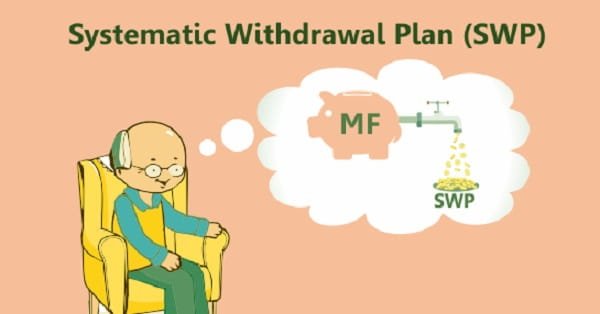
Understanding How SWP Works
An SWP lets you withdraw a chosen amount every month, quarter or year from your investment. Instead of keeping the full retirement corpus idle in a savings account, the money remains invested in mutual funds and may continue to earn returns over time.
For example, if someone retires with ₹1 crore and decides to withdraw ₹50,000 per month, the remaining balance stays invested. Depending on market performance and the size of withdrawals, the corpus may continue to support the retiree for a long time.
This balance between withdrawals and investment growth is what makes SWP popular among retirees.
How Long Can ₹1 Crore Last?
The answer depends on three major factors:
1. Monthly Withdrawal Amount
The lower the withdrawal amount, the longer the corpus may last. Someone withdrawing ₹40,000 monthly may be able to stretch the corpus much longer than someone withdrawing ₹1 lakh monthly.
A comfortable retirement often depends on maintaining a balance between lifestyle needs and sustainable withdrawals.
2. Expected Investment Returns
Since the remaining corpus stays invested, returns play a major role. Even moderate annual returns can help slow down the reduction of the overall corpus.
For instance, if the investment earns returns close to or above the withdrawal rate, the retirement fund may continue to grow or remain stable for many years.
3. Inflation and Lifestyle Changes
Expenses usually change over time. Healthcare, travel, family responsibilities and lifestyle upgrades may gradually increase monthly spending.
This is why retirees often review their SWP strategy every few years instead of keeping a fixed plan forever.
A Simple Example
Suppose a retiree has ₹1 crore invested in a balanced mutual fund and withdraws ₹50,000 every month through SWP. Moderate long-term returns from investments may allow the corpus to support withdrawals for decades to come.
On the other hand, increasing withdrawals too aggressively can shorten the corpus’s lifespan.
This is why financial planning before and during retirement is not only about the total amount saved, but also about managing withdrawals wisely.
Why Many Retirees Prefer SWP
One major advantage of SWP is the regular income it provides. It works somewhat like a post-retirement salary, helping people manage monthly expenses more comfortably.
It also offers flexibility. Withdrawals can usually be increased, reduced, paused or adjusted as financial needs change. Many retirees also use an SWP calculator to estimate how long their investments may last based on different withdrawal amounts and expected returns.
Another benefit is that the remaining funds continue to participate in market growth rather than remain completely idle.
Final Thoughts
A ₹1 crore retirement corpus delivers strong long-term stability when supported by disciplined withdrawals and a careful investment planning approach. The key is understanding spending habits, expected returns and future financial needs.
Using SWP strategically can help retirees create a steady income flow while allowing their investments to continue working in the background. With careful planning and periodic reviews, retirement can feel more financially organised, flexible and comfortable over the years.