 By Saksham Arora
 Westside was founded in 1998 by Trent Ltd. of the Tata Group and has grown into one of India’s leading fashion retail chains. Known for its stylish clothing, accessories and home décor items, Westside focuses on curated in-house brands that appeal to modern Indian shoppers. With strong brand presence in malls and high-street locations, many investors explore opening a Westside franchise.
This article explains the total investment, setup cost, profit expectations and whether Westside is the right retail business for you.
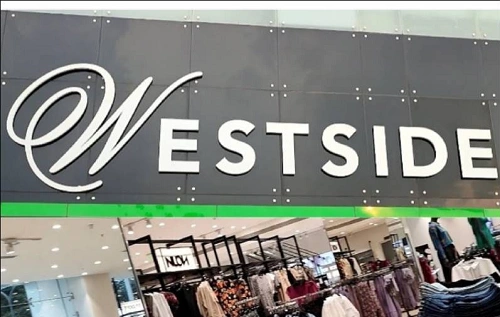
About the Westside Brand
Westside offers a wide range of apparel for men, women and kids, along with footwear, beauty products and home décor items. The brand is popular for its fashion-focused collections, regular new arrivals and affordable pricing. Its large-format store design and variety attract families, working professionals and young shoppers.
Is Westside a Franchise or Company-Owned Model?
Westside follows a franchise/dealership retail partnership model in select regions. Investors operate the store under the brand guidelines while Trent Ltd. manages product supply, branding and merchandising standards.
Total Westside Franchise Cost in India
- Standard Store (medium city): ₹1–2 crore
- Large Mall or High-Street Store: ₹1.5–2.5 crore
Most new partners fall in the ₹1–2 crore investment range.
Westside Franchise Cost Breakdown
- Brand/Franchise Fee: ₹10–20 lakh
- Interiors, Fixtures & Store Setup: ₹30–70 lakh
- Initial Merchandise Inventory: ₹40–80 lakh depending on store size
- Billing, POS & IT Setup: ₹2–5 lakh
- Staff Hiring & Training: ₹2–4 lakh
- Signage & Branding: ₹2–5 lakh
- Working Capital Reserve: ₹5–10 lakh
- Rental Deposit/Lease Advance: depends on property rates
Because inventory is a major part of the cost, overall investment becomes substantial.
Space & Location Requirement
- Minimum Space: 2,000–3,000 sq ft
- Ideal: 3,000–5,000 sq ft for full-format store
Best locations include malls, premium shopping streets, commercial city centers and high-footfall retail zones.
Westside Profit Margin & ROI
- Net Profit Margin: 8%–12% depending on sales volume
- Monthly Profit: varies with city, footfall and inventory turnover
- ROI Timeline: 18–36 months
Higher sales during festivals and season launches help accelerate growth.
Royalty & Ongoing Charges
Westside usually follows a revenue-sharing or commission-based model.
Franchisees handle:
- Rent and electricity
- Staff salaries
- Inventory restocking
- Store maintenance and local-level marketing
Margins depend strongly on inventory management and sales turnover.
Support Provided by Westside
- Store design, layout and interiors guidance
- Complete merchandise supply and stock planning
- Staff training in customer service and retail operations
- Branding, visual merchandising and display standards
- Marketing support and seasonal promotions
This helps maintain uniform customer experience across all Westside stores.
Who Should Invest in a Westside Franchise?
- Investors with ₹1–2 crore budget
- Entrepreneurs owning or leasing large retail spaces
- People interested in fashion and lifestyle retail
- Individuals ready to manage staff, inventory and daily operations
Best suited for high-traffic markets and established retail zones.
Risks & Challenges
- High investment and inventory cost
- Seasonal demand fluctuations
- Strong competition in fashion retail
- Heavy dependence on location quality
- Requires active management and stock planning
Good cost control and strong merchandising reduce risks.
How to Apply for a Westside Franchise
- Share property details and investment capacity with the brand
- Undergo site evaluation and approval
- Sign franchise agreement and pay fees
- Complete store fit-out and inventory stocking
- Train staff and follow Westside operating standards
- Launch store with brand support
Conclusion
Westside offers a premium fashion-retail franchise opportunity with investment starting at ₹1–2 crore. With strong brand value, modern collections and consistent customer demand, it is a solid option for investors with large spaces and long-term retail plans. Success depends on location, inventory management and delivering a superior shopping experience.