 By Saksham Arora
 Moti Mahal, founded in 1920, is one of India’s most iconic restaurant brands, credited with popularising tandoori cuisine and butter chicken nationwide. Starting in Peshawar and later expanding in Delhi, Moti Mahal has grown into a multi-city casual dining chain known for its rich North Indian menu, tandoori specials, biryanis, kebabs, curries and legacy appeal. The brand has attracted interest from investors and restaurateurs seeking franchise opportunities because of its strong name recognition, loyal customer base and established positioning in Indian fine casual dining. This article explains the Moti Mahal franchise model, franchise cost, detailed cost breakdown, space and location requirements, profitability expectations, ongoing charges, and how to open and operate a Moti Mahal outlet in India in 2026.
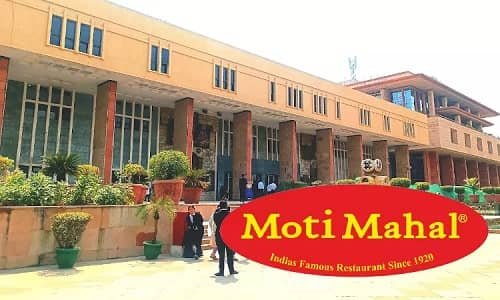
About the Moti Mahal Brand
Moti Mahal is synonymous with classic North Indian cuisine, especially its signature butter chicken, dal makhani and tandoori items. The restaurant experience typically includes dine-in seating, takeaway, and delivery services. Franchise owners are expected to maintain high standards of food quality, service, cleanliness and ambience. Standardised recipes, kitchen protocols and service guidelines help ensure consistency across all outlets. The brand appeals to families, office workers, groups, celebrations, and occasional diners seeking a premium Indian dining experience.
Is Moti Mahal a Franchise or Partnership Model in India?
Moti Mahal operates through a franchise model that allows independent entrepreneurs and restaurant operators to open branded outlets. Franchisees own and manage individual restaurants while agreeing to terms and conditions set by the franchisor. Common franchise formats include:
- Standalone Full-Service Restaurant – Traditional dine-in experience with seating and full menu offerings
- Food Court / Mall Format – Smaller footprint focusing on core menu items suitable for shared dining spaces
- Express / Quick Serve Format – Compact store model focusing on high-frequency, takeaway orders
Franchise partners run the daily operations, hire staff, implement local promotions, and ensure service quality in alignment with the brand.
Total Moti Mahal Franchise Investment Cost in India
The investment requirement varies depending on format, city, and outlet size. Typical franchise investment brackets for 2025 include:
- Express / Food Court Format: ₹30 lakh – ₹50 lakh
- Standard Full-Service Restaurant: ₹70 lakh – ₹1.5 crore
- Large Standalone / Premium Restaurant: ₹1.5 crore – ₹3 crore+
Most franchisees fall in the ₹70 lakh – ₹1.5 crore range for a standard full-service restaurant in a busy market, high-street area or commercial dining zone.
Moti Mahal Franchise Cost Breakdown
A typical breakdown of the initial investment includes:
- Franchise / Brand Onboarding Fee: ₹10 lakh – ₹25 lakh (one-time)
- Store Interiors & Fit-Out: ₹20 lakh – ₹60 lakh
- Kitchen & Cooking Equipment: ₹15 lakh – ₹40 lakh
- Dining Furniture & Fixtures: ₹10 lakh – ₹25 lakh
- POS & Billing Systems: ₹2 lakh – ₹5 lakh
- Initial Inventory & Raw Materials: ₹5 lakh – ₹10 lakh
- Signage & Branding: ₹3 lakh – ₹7 lakh
- Staff Training & Onboarding: ₹3 lakh – ₹6 lakh
- Working Capital: ₹10 lakh – ₹25 lakh
- Rental Deposit: varies significantly by city and property
Interior design, kitchen setup, and staff training typically form the major portion of upfront costs because they directly influence customer experience and operational efficiency.
Space & Location Requirements
Space requirements depend on the format chosen:
- Express / Food Court Format: 300 – 600 sq ft
- Standard Full-Service Restaurant: 1,000 – 2,000 sq ft
- Large Standalone / Premium Restaurant: 2,000 – 4,000+ sq ft
Ideal locations include shopping districts, high streets, malls, near office clusters, transit hubs, residential neighbourhoods and entertainment zones where casual dining demand is strong.
Profit Margin & ROI for Moti Mahal Franchise
Restaurant profitability depends on location, operating discipline, menu pricing and customer traffic:
- Net Profit Margin: 12% – 25% depending on cost control and sales volume
- Monthly Revenue Potential: ₹10 lakh – ₹40 lakh+ depending on seating capacity and footfall
- ROI Timeline: 24 – 48 months once operations stabilise
Dinner business, weekend demand, special occasion bookings and delivery orders contribute to revenue growth and higher utilisation of restaurant space.
Royalty & Ongoing Charges
Franchise partners typically manage ongoing costs such as:
Royalty Fee: monthly percentage of gross sales
- Rent and utilities
- Staff salaries and benefits
- Food and beverage inventory replenishment
- Local marketing and promotions
- POS maintenance and licensing fees
Royalty enables the franchisor to provide marketing support, menu updates and quality audits.
Support Provided by Moti Mahal
Franchise partners receive a range of support services:
- Site selection guidance and location evaluation
- Store layout planning and interior branding requirements
- Kitchen setup and equipment recommendations
- Training on recipes, service protocols, hygiene and safety standards
- Point of Sale and operational systems setup
- Launch marketing materials and promotional guidance
- Periodic quality and operational audits
This support helps ensure franchise outlets maintain brand standards and deliver consistent customer experiences.
Who Should Invest in a Moti Mahal Franchise?
The Moti Mahal franchise opportunity is suitable for:
- Entrepreneurs with ₹30 lakh – ₹3 crore+ investment capacity
- Existing restaurateurs and hospitality operators
- Investors seeking a strong legacy brand in casual dining
- Partners targeting urban, high-footfall locations with strong dining demand
- Multi-unit investors looking to scale in the F&B sector
This model benefits operators focused on full-service and family-oriented dining experiences.
Risks & Challenges
Potential challenges in the casual dining space include:
- Competition from other legacy restaurants, multi-cuisine outlets and local eateries
- Managing perishable inventory and food cost inflation
- Maintaining staff quality and consistent service standards
- Seasonal demand fluctuations and peak traffic management
- High rent costs in premium dining zones
Despite these challenges, strong brand equity and diverse menu appeal help maintain steady customer interest.
How to Apply for a Moti Mahal Franchise
The typical application process includes:
- Prepare your business profile with financial and investment details
- Identify a location with strong dining demand and visibility
- Submit your franchise application with proposed site and investment plan
- Brand conducts site evaluation and operational feasibility review
- Upon approval, sign the franchise agreement
- Complete fit-out, equipment order and staff training
- Launch the outlet with brand support and opening promotions
Once operational, the outlet serves a full menu of North Indian classics, tandoori specials, biryanis, curries, breads and beverages to dine-in, takeaway and delivery customers.
Conclusion
A Moti Mahal franchise offers a compelling opportunity in India’s casual dining and legacy restaurant segment. With total investment ranging from ₹30 lakh to ₹3 crore+ depending on format, location and seating capacity, franchise partners can benefit from strong brand recognition, diverse menu offerings, established recipes, and robust customer demand. For investors seeking a scalable and recognisable restaurant business backed by a legendary brand with deep roots in Indian cuisine, Moti Mahal presents a strong business prospect for 2026.