 By Saksham Arora
 Meat & Eat was founded in 2015 as a premium quick-service restaurant (QSR) brand focused on flame-grilled meats, burgers, wraps, kebabs, platters and hearty comfort meals. Known for quality ingredients, smoky flavours and a menu that appeals to young adults and families alike, Meat & Eat grew rapidly in urban food-service scenes. With Indian consumers increasingly dining out and ordering delivery, many entrepreneurs are exploring the idea of opening a Meat & Eat franchise.
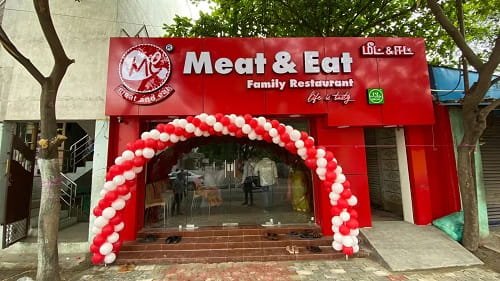
About the Meat & Eat Brand
Meat & Eat specialises in grilled burgers, chicken platters, kebabs, wraps, loaded fries and wholesome combos. The brand positions itself as a flavour-first, casual dining and delivery-friendly concept that bridges quick-service convenience with quality food. Because consistency in taste, service and hygiene plays a major role in customer retention, franchise partners must maintain brand standards in cooking, preparation, presentation and service.
Is Meat & Eat a Franchise or Company-Owned Model in India?
Meat & Eat operates through a franchise/partner model that allows independent entrepreneurs to open branded outlets in approved locations.
Common franchise formats include:
- Standard QSR Outlet – dine-in + takeaway + delivery
- Express / Compact Counter – small footprint for high-traffic zones
- Mall / Food Court Outlet – counter or kiosk in retail centres
Franchise partners own and operate their outlets under brand guidance, menus and service standards.
Total Meat & Eat Franchise Investment Cost in India
Investment varies based on the outlet format, city and location. Typical investment ranges include:
- Express / Compact Counter: ₹15 lakh – ₹25 lakh
- Standard QSR Outlet: ₹25 lakh – ₹50 lakh
- Mall / Food Court Format: ₹20 lakh – ₹40 lakh
Most franchise partners start with a ₹25 lakh – ₹50 lakh budget for a standard full-service outlet in a busy area.
Meat & Eat Franchise Cost Breakdown
- Franchise / Brand Fee: ₹4 lakh – ₹8 lakh (one-time)
- Store Interiors & Fit-Out: ₹7 lakh – ₹18 lakh
- Kitchen & Cooking Equipment: ₹5 lakh – ₹12 lakh
- Display Counter & Seating: ₹2 lakh – ₹5 lakh
- Initial Raw Materials & Inventory: ₹2 lakh – ₹5 lakh
- POS & Billing System: ₹50,000 – ₹1 lakh
- Signage & Branding: ₹1 lakh – ₹2 lakh
- Staff Training & Onboarding: ₹50,000 – ₹1 lakh
- Working Capital: ₹2 lakh – ₹6 lakh
- Rental Deposit: varies by city and location
Interior setup and kitchen equipment are the major cost centres because quality food preparation and customer comfort are core to the brand experience.
Space & Location Requirement
- Express / Compact Counter: 150 – 300 sq ft
- Standard QSR Outlet: 300 – 800 sq ft
- Mall / Food Court Outlet: 250 – 500 sq ft
Ideal locations include high streets, neighbourhood markets, transit hubs, commercial clusters, near colleges and offices — anywhere with strong walk-in and delivery demand.
Profit Margin & ROI for Meat & Eat Franchise
Quick-service food outlets benefit from repeat orders, peak meal times and delivery-driven growth.
- Net Profit Margin: 15% – 25% depending on sales mix
- Monthly Revenue Potential: ₹3 lakh – ₹10 lakh+ depending on location and footfall
- ROI Timeline: 18 – 30 months once customer base stabilises
Combos, premium grilled items and beverage add-ons often increase average order value.
Royalty & Ongoing Charges
Meat & Eat franchise partners handle regular business costs, including:
- Royalty / Brand Fee: a monthly share of sales
- Rent and utilities
- Staff salaries
- Inventory replenishment
- Local marketing expenses
Brand audits and quality checks help maintain consistency and service standards across all outlets.
Support Provided by Meat & Eat
- Outlet layout and interior design guidance
- Standardised menu and recipe training
- Staff training on preparation, service and operations
- POS and billing system setup support
- Branding and launch promotional materials
This structured support helps new partners deliver a consistent customer experience from day one.
Who Should Invest in a Meat & Eat Franchise?
- Entrepreneurs with ₹15 lakh – ₹50 lakh investment capacity
- People passionate about F&B and quick-service dining
- Investors targeting urban and high-footfall neighbourhoods
- First-time business owners seeking structured franchise support
This model suits partners focused on repeat customers, convenience food and delivery-friendly operations.
Risks & Challenges
- Competition from local eateries and national QSR brands
- Staff training and retention challenges
- Dependence on peak meal hours and footfall
- Rising rental costs in premium areas
Nevertheless, popular meat and grill concepts tend to drive frequent visits, especially in urban and family zones.
How to Apply for a Meat & Eat Franchise
- Prepare your business and financial profile
- Identify a high-visibility location with strong footfall
- Submit franchise application with space and investment details
- The brand evaluates feasibility and partner readiness
- On approval, sign the franchise agreement
- Complete outlet setup, interiors and equipment installation
- Hire and train staff as per brand protocols
- Launch the outlet with brand support and marketing
Once operational, your outlet serves dine-in, takeaway and delivery customers.
Conclusion
Meat & Eat franchise offers an accessible entry into India’s vibrant quick-service food sector. With investment typically ranging from ₹15 lakh to ₹50 lakh depending on outlet type and location, franchise partners can benefit from strong brand appeal, repeat customer demand and structured operational support. For entrepreneurs focused on quality food, consistent service and frequent visits, Meat & Eat provides a compelling long-term business opportunity.